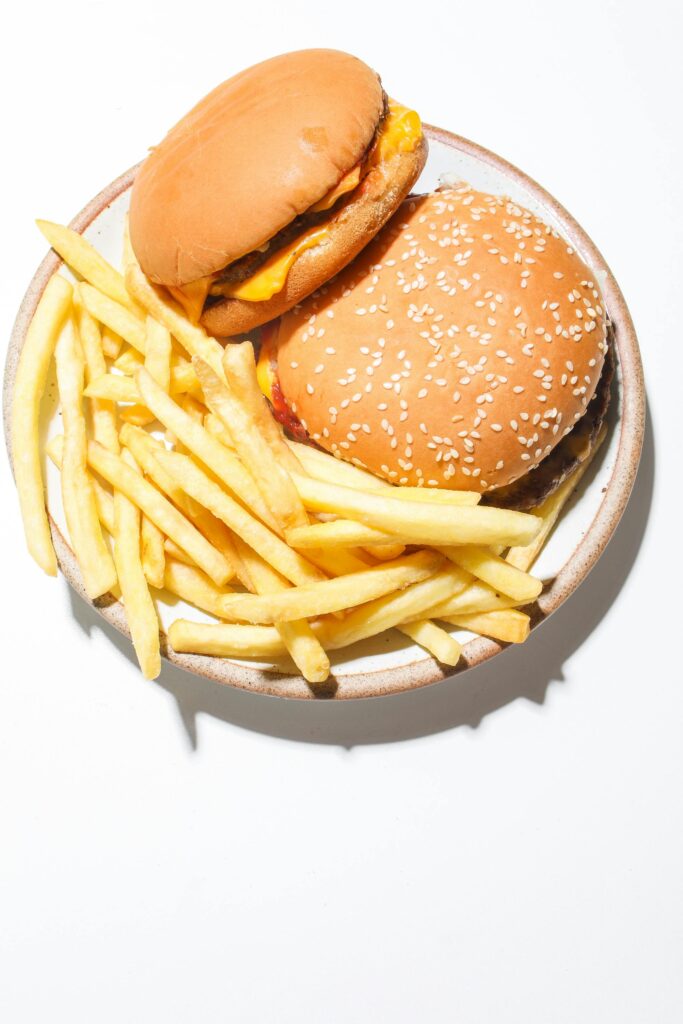
A burger is one of the most popular foods in the world. It is simple, filling, customizable, and enjoyed by people of all ages. The word “burger” usually refers to a sandwich made with a cooked patty placed inside a sliced bun, along with different toppings and sauces. Although many people associate burgers with fast food, burgers have a long history and have become an important part of global food culture.
BURGER
The modern burger is believed to have evolved from the Hamburg steak, a dish brought to the United States by German immigrants from the city of Hamburg in the nineteenth century. The Hamburg steak was made from minced or ground beef that was seasoned and cooked. Over time, people began placing the cooked meat between slices of bread to make it easier to eat. Eventually, the bun became the standard choice, and the hamburger was born. Today, burgers are found almost everywhere, from small street stalls to expensive restaurants.
The basic structure of a burger is quite simple. It usually includes a bun, a patty, vegetables, cheese, sauces, and sometimes extra ingredients such as bacon or eggs. The bun is typically soft and round, often topped with sesame seeds. It acts as the outer layer that holds everything together. Some burgers use brioche buns, whole wheat buns, or even lettuce wraps instead of bread.
The patty is the main part of the burger. Traditionally, burger patties are made from ground beef. The meat is shaped into a flat round piece and cooked by grilling, frying, or broiling. The flavor of the patty depends on the quality of the meat and the seasonings used. Salt and pepper are common seasonings, but some cooks add garlic, onion powder, herbs, or special spice mixes. A well-cooked beef patty is juicy on the inside and slightly crispy on the outside.
However, burgers are no longer limited to beef. Chicken burgers are very popular and are often made with grilled or fried chicken fillets. Fish burgers use fish patties, while vegetarian and vegan burgers use ingredients such as beans, lentils, mushrooms, chickpeas, tofu, or plant-based meat substitutes. These alternatives have become more common because many people prefer healthier or environmentally friendly food choices.
Cheese is another important ingredient in many burgers. A cheeseburger is simply a hamburger with a slice of cheese melted on top of the patty. Common cheeses include cheddar, American cheese, Swiss cheese, and mozzarella. Cheese adds creaminess and richness to the flavor.
Vegetables provide freshness and texture. Lettuce, tomatoes, onions, and pickles are the most common toppings. Some burgers include jalapeños, avocado, mushrooms, or coleslaw for extra flavor. Sauces also play a major role. Ketchup, mayonnaise, mustard, barbecue sauce, and spicy sauces are widely used. Many restaurants create their own “special sauce” to give their burgers a unique taste.
One reason burgers are so popular is their versatility. Every person can customize a burger according to their taste. Some people prefer a simple burger with only meat and cheese, while others enjoy large burgers with many toppings. Different countries also add local flavors. In India, for example, burgers often include spicy potato patties or paneer because many people do not eat beef. In Japan, teriyaki burgers are popular, while in Mexico burgers may include spicy peppers and salsa.
Burgers are strongly connected with fast-food culture. Large fast-food companies helped spread burgers around the world during the twentieth century. Restaurants such as McDonald’s and Burger King became famous for serving quick, affordable burgers. Fast-food burgers are designed to be prepared quickly and consistently. This made burgers convenient for busy lifestyles and contributed to their worldwide popularity.
Despite their popularity, burgers are sometimes criticized for health reasons. Many fast-food burgers contain high amounts of calories, fat, salt, and sugar, especially when served with fries and soft drinks. Eating such meals too often can contribute to obesity and other health problems. However, burgers can also be made healthier. Using lean meat, whole grain buns, fresh vegetables, and smaller portions can create a balanced meal. Grilled patties are usually healthier than deep-fried ones, and plant-based burgers can reduce saturated fat intake.
The burger industry has also changed because of environmental concerns. Beef production requires large amounts of water, land, and animal feed, and it contributes to greenhouse gas emissions. As a result, many companies now offer plant-based burgers made from soy, peas, or other ingredients. These products are designed to taste similar to meat while having a smaller environmental impact. Some people choose these burgers for ethical reasons, while others simply enjoy trying new foods.
In recent years, gourmet burgers have become very popular. Gourmet burgers are often served in high-end restaurants and use premium ingredients such as wagyu beef, artisan buns, specialty cheeses, and homemade sauces. Chefs experiment with creative combinations, adding ingredients like truffle oil, caramelized onions, or blue cheese. These burgers are usually more expensive but are considered a more refined dining experience compared to regular fast-food burgers.
Burgers also hold cultural importance. They are commonly associated with social gatherings, barbecues, sports events, and casual dining. Families and friends often cook burgers together during outdoor parties or celebrations. Because burgers are easy to prepare and share, they create a sense of comfort and community.
The burger has also become a symbol of globalization. No matter where people travel, they can usually find some version of a burger. At the same time, each culture adapts the burger to local tastes and traditions. This balance between global popularity and local creativity has helped burgers remain relevant for many generations.
In conclusion, the burger is much more than a simple sandwich. It has a rich history, many varieties, and worldwide appeal. From traditional beef hamburgers to vegetarian and gourmet creations, burgers continue to evolve with changing tastes and lifestyles. Their convenience, flavor, and adaptability make them one of the most loved foods across the globe. Whether eaten at a fast-food restaurant, cooked at home, or served in a luxury restaurant, burgers remain an important part of modern food culture.
PANEER WRAPE ROLL
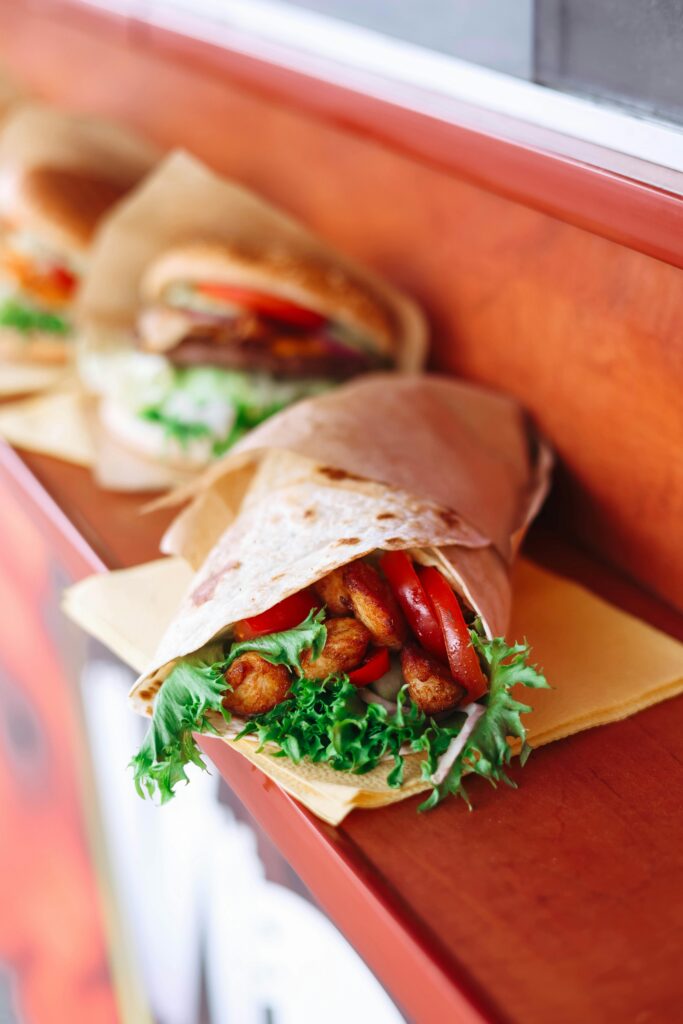
A paneer wrap roll is a popular and delicious food item that combines soft paneer, vegetables, sauces, and spices wrapped inside a flatbread such as roti, paratha, or tortilla. It is widely enjoyed in India and has become one of the favorite street foods and fast-food snacks among people of all ages. Paneer wrap rolls are loved because they are tasty, filling, convenient to eat, and easy to customize according to personal preferences. They are also considered a good vegetarian alternative to chicken or meat rolls because paneer is rich in protein and has a soft texture that absorbs flavors very well.
Paneer, the main ingredient of the wrap roll, is a type of fresh cheese commonly used in Indian cuisine. It is made by curdling milk with lemon juice, vinegar, or another acidic ingredient. Unlike aged cheese, paneer is soft, mild in flavor, and does not melt easily when heated. This makes it ideal for grilling, frying, or cooking with spices. Paneer is highly nutritious because it contains protein, calcium, phosphorus, and healthy fats. For vegetarians, paneer is an important source of protein and energy.
The origin of wraps and rolls can be connected to many cultures around the world, but in India, the concept became extremely popular through street foods such as kathi rolls. Kathi rolls originated in Kolkata and traditionally contained kebabs wrapped in paratha. Over time, vegetarian versions using paneer became popular, especially among people who do not eat meat. Today, paneer wrap rolls are available in restaurants, cafes, school canteens, roadside stalls, and fast-food chains throughout India and many other countries.
The preparation of a paneer wrap roll involves several steps. First, paneer is cut into cubes, strips, or small pieces. These pieces are then marinated with spices and sauces to improve flavor. Common ingredients in the marinade include yogurt, ginger-garlic paste, turmeric, red chili powder, coriander powder, garam masala, cumin, salt, and lemon juice. Some recipes also include tandoori masala or tikka seasoning for a smoky taste. The marinated paneer is left for some time so the flavors can absorb properly.
After marination, the paneer is cooked. It may be grilled, roasted, pan-fried, or cooked in a tandoor. Cooking gives the paneer a slightly crispy outer layer while keeping the inside soft and juicy. At the same time, vegetables such as onions, capsicum, tomatoes, cabbage, carrots, and lettuce are prepared. Some vegetables are lightly sautéed with spices, while others are kept fresh for crunch and freshness.
The bread used for the wrap is another important part of the dish. In India, wraps are often made using roti or paratha. Paratha is more flavorful because it is cooked with oil or butter, making the wrap richer and crispier. Some modern versions use tortillas or whole wheat wraps for a healthier option. The bread is heated on a pan until soft and warm, making it flexible enough to roll without breaking.
Sauces and chutneys add extra flavor to the paneer wrap roll. Green chutney made from mint and coriander is very common. Tomato ketchup, mayonnaise, spicy chili sauce, garlic sauce, and yogurt-based dressings are also used. Some wraps include cheese sauce or schezwan sauce to create a fusion taste. The combination of spicy paneer, crunchy vegetables, and creamy sauces creates a balance of textures and flavors.
To assemble the roll, the cooked paneer is placed in the center of the warm bread along with vegetables and sauces. The bread is then folded tightly into a cylindrical shape. Sometimes the roll is partially wrapped in paper or foil to make it easier to hold and eat. This portable nature makes paneer wrap rolls a convenient meal for busy people, students, and office workers.
One reason paneer wrap rolls are so popular is their versatility. They can be customized according to taste and dietary needs. Some people prefer spicy wraps with extra chili sauce, while others like mild flavors with creamy dressings. Health-conscious individuals may choose whole wheat wraps, grilled paneer, and extra vegetables. Others may add cheese, butter, or fried paneer for a richer taste. Restaurants also experiment with fusion styles, combining Indian flavors with Mexican, Chinese, or Middle Eastern influences.
Paneer wrap rolls are often considered healthier than many other fast foods. Paneer provides protein and calcium, vegetables provide vitamins and fiber, and whole wheat wraps can offer complex carbohydrates. Compared to deep-fried snacks, grilled or lightly cooked paneer wraps may contain less unhealthy fat. However, the nutritional value depends on preparation methods. Excess butter, mayonnaise, or fried ingredients can increase calories and fat content.
The popularity of paneer wrap rolls has increased because of changing lifestyles and eating habits. Modern urban life often requires quick meals that are easy to carry and consume. Paneer wraps meet these needs while still offering the familiar flavors of Indian cuisine. Food delivery apps and fast-food restaurants have further increased their popularity by making them widely available.
Paneer wrap rolls are also important in vegetarian culture. In countries like India, where many people follow vegetarian diets for religious, ethical, or personal reasons, paneer serves as an excellent substitute for meat. It provides a satisfying texture and absorbs spices effectively, making it suitable for wraps, curries, and snacks. Paneer wraps are therefore a common choice for vegetarians looking for filling and flavorful food.
Different regions and restaurants create unique versions of paneer wrap rolls. Some include paneer tikka, where the paneer is marinated in tandoori spices before grilling. Others use spicy achari paneer flavored with pickling spices. Mughlai-style wraps may include rich sauces and eggs, while street-style wraps often contain onions, green chutney, and tangy masala. Fusion varieties may use ingredients like pasta sauce, noodles, or even pizza cheese.
Paneer wrap rolls are also easy to prepare at home. Many families make them using leftover paneer and vegetables. Homemade wraps allow people to control ingredients and nutrition according to their preferences. They are often packed in lunch boxes for school or office meals because they remain tasty and convenient even after some time.
In conclusion, the paneer wrap roll is a flavorful, nutritious, and versatile food that has become highly popular in modern cuisine. It combines the richness of paneer, the freshness of vegetables, the warmth of flatbread, and the excitement of spices and sauces in one convenient dish. Whether served as street food, homemade lunch, or restaurant meal, paneer wrap rolls continue to attract people because of their taste, convenience, and adaptability. Their ability to blend traditional Indian ingredients with modern fast-food style has made them an important and enjoyable part of contemporary food culture.
CHOWMEIN
Chow mein is one of the most popular noodle dishes in the world. The name comes from the Chinese words “chao” meaning fried and “mian” meaning noodles. Chow mein is a stir-fried noodle dish that originated in China and later became famous in many countries such as India, the United States, Nepal, and the United Kingdom. Over time, different cultures added their own flavors and ingredients, making chow mein a flexible and widely loved food.
The history of chow mein goes back hundreds of years to northern China, where noodles have been an important part of Chinese cuisine for a very long time. Chinese immigrants introduced chow mein to other countries during the nineteenth and twentieth centuries. As Chinese communities settled around the world, they adapted the dish according to local tastes and available ingredients. This is why chow mein in India tastes different from chow mein in China or America. In India, street-style chow mein is often spicy and full of vegetables, while American chow mein may include thicker sauces and meat toppings.
The basic ingredient in chow mein is noodles. Traditionally, egg noodles are used because they become slightly crispy when fried and absorb sauces well. The noodles are first boiled until soft but firm. After boiling, they are drained and sometimes lightly fried to create a crispy texture. Vegetables such as cabbage, carrots, capsicum, onions, and spring onions are commonly added. Some versions also include proteins like chicken, shrimp, beef, eggs, or tofu. The dish is cooked quickly over high heat in a wok, which gives chow mein its smoky flavor and unique texture.
Sauces are another important part of chow mein. Soy sauce is usually the main flavoring ingredient. Other sauces such as oyster sauce, chili sauce, vinegar, garlic sauce, and sesame oil may also be added. In Indian-style chow mein, green chili sauce and red chili sauce are often used to make the dish spicy. The combination of noodles, vegetables, sauces, and seasonings creates a delicious balance of salty, savory, spicy, and slightly sweet flavors.
There are two major styles of chow mein: crispy chow mein and soft chow mein. Crispy chow mein uses fried noodles that become crunchy, almost like chips. The vegetables and sauce are poured over the crispy noodles just before serving. Soft chow mein uses noodles that remain tender after stir-frying. Both versions are popular, and people choose according to their taste preferences.
One reason chow mein became globally popular is its versatility. It can be prepared in many different ways. Vegetarians can make chow mein with only vegetables, while non-vegetarians can add meat or seafood. It is also quick to cook, making it ideal for busy lifestyles. Street vendors, restaurants, and home cooks all prepare chow mein because it is affordable, filling, and easy to customize.
In India, chow mein has become a common street food, especially in cities and towns. Indian chow mein often contains extra spices and green chilies. Many roadside stalls serve chow mein with tomato ketchup or spicy sauces. Young people especially enjoy it because it is tasty, inexpensive, and satisfying. Indo-Chinese cuisine, which mixes Chinese cooking techniques with Indian spices, has made chow mein even more popular. Dishes like chicken chow mein, Schezwan chow mein, and egg chow mein are commonly found in restaurants and food stalls.
Chow mein also has nutritional value because it includes vegetables and carbohydrates. The vegetables provide vitamins, minerals, and fiber, while the noodles give energy through carbohydrates. Protein can be added through chicken, eggs, tofu, or seafood. However, chow mein may also contain high amounts of oil, sodium, and sauces, especially when bought from fast-food outlets. Eating homemade chow mein with fresh vegetables and less oil can make it healthier.
Cooking chow mein at home is simple. First, noodles are boiled and drained. Vegetables are chopped into thin slices for quick cooking. A wok or frying pan is heated with oil, and garlic or ginger is added for flavor. Vegetables and proteins are stir-fried over high heat. The noodles are then mixed in with soy sauce and other seasonings. Finally, spring onions are added on top before serving. The dish is best eaten hot and fresh.
Chow mein is more than just food; it also represents cultural exchange. It shows how recipes travel from one country to another and change according to local traditions. Chinese immigrants carried their food culture abroad, and local communities adopted and transformed the dish. Today, chow mein is enjoyed by millions of people from different backgrounds, proving how food can connect cultures and create shared experiences.
Another interesting aspect of chow mein is its presence in popular culture. It appears in movies, television shows, food blogs, and social media videos. Many cooking competitions and food channels teach different chow mein recipes. Restaurants often experiment with new flavors, such as cheese chow mein, paneer chow mein, or spicy fusion noodles. This creativity keeps the dish modern and appealing to younger generations.
The texture of chow mein is one of its biggest attractions. The noodles can be soft, chewy, or crispy depending on the cooking method. The fresh crunch of vegetables combined with flavorful sauces creates an enjoyable eating experience. The aroma from garlic, soy sauce, and stir-fried vegetables makes the dish even more appetizing.
People also enjoy chow mein because it is suitable for many occasions. It can be served as a quick lunch, dinner, snack, or party dish. It is easy to cook in large quantities, making it ideal for gatherings and celebrations. Restaurants often serve chow mein alongside other dishes like fried rice, Manchurian, spring rolls, or soup.
In conclusion, chow mein is a famous noodle dish with a rich history and worldwide popularity. Originating in China, it spread across the globe through migration and cultural exchange. Its delicious flavors, simple cooking process, and flexibility have made it a favorite food in many countries. Whether served spicy in India, crispy in Hong Kong, or saucy in America, chow mein continues to bring people together through the universal love of noodles.
FRIED RICE
Fried rice is one of the most popular and widely enjoyed dishes in the world. It is a simple yet flavorful dish made by stir-frying cooked rice with vegetables, eggs, meat, seafood, and sauces. Fried rice originated in China many centuries ago and later spread to different countries across Asia and the rest of the world. Today, almost every culture has its own version of fried rice, making it an internationally loved food.
The history of fried rice dates back to the Sui Dynasty in China, which existed between the sixth and seventh centuries. People began cooking fried rice as a practical way to use leftover rice instead of wasting food. Cold rice from the previous day was stir-fried with vegetables and seasonings to create a fresh and tasty meal. Over time, fried rice became more than just a leftover dish. It turned into an important part of Chinese cuisine and later spread globally through trade, migration, and cultural exchange.
The main ingredient in fried rice is cooked rice. Long-grain rice is commonly used because the grains remain separate and fluffy after cooking. Day-old rice is considered the best for fried rice because it contains less moisture, making it easier to fry without becoming sticky. Freshly cooked rice can also be used, but it may become soft and clumpy. The rice is stir-fried at high heat in a wok or large pan, which gives the dish a smoky flavor called “wok hei” in Chinese cooking.
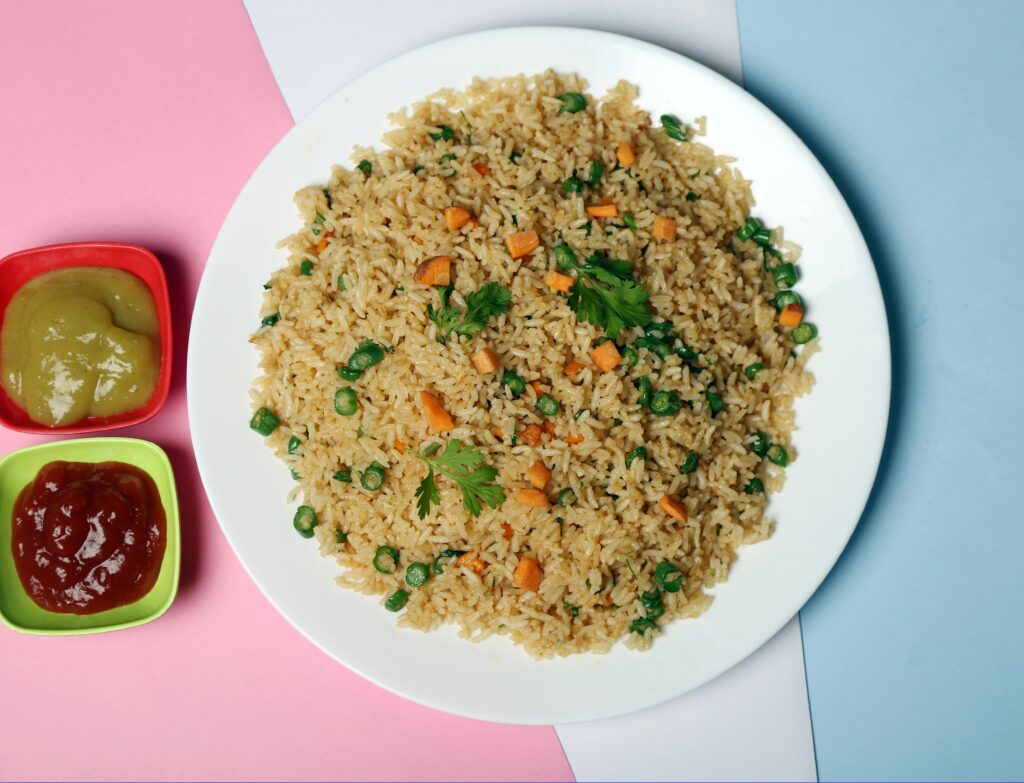
Vegetables are another important part of fried rice. Common vegetables include carrots, peas, onions, cabbage, bell peppers, corn, beans, and spring onions. These vegetables add color, texture, flavor, and nutrition to the dish. Some versions also include mushrooms, broccoli, or spinach. Proteins such as eggs, chicken, shrimp, beef, pork, paneer, or tofu can be added depending on personal preference. Eggs are especially popular because they blend well with rice and increase the protein content of the meal.
Sauces and seasonings give fried rice its unique taste. Soy sauce is the most commonly used seasoning because it adds saltiness and deep flavor. Garlic, ginger, black pepper, sesame oil, vinegar, chili sauce, and oyster sauce are also widely used. In Indian-style fried rice, spicy sauces and green chilies are often added for extra heat. Different countries use different spices and ingredients, which creates many varieties of fried rice around the world.
There are many famous types of fried rice. Chinese fried rice is usually light in flavor and focuses on the natural taste of ingredients. Thai fried rice often includes fish sauce, lime, and basil for a fresh and aromatic flavor. Indonesian fried rice, called nasi goreng, is darker and sweeter because of sweet soy sauce. Japanese fried rice, known as yakimeshi, is simple and often cooked with eggs and vegetables. In India, fried rice is part of Indo-Chinese cuisine and is usually spicy, colorful, and served with dishes like Manchurian or chili chicken.
One reason fried rice became so popular is its versatility. People can customize it according to their tastes, dietary needs, and available ingredients. Vegetarians can prepare fried rice with only vegetables, while others may include seafood or meat. Fried rice can also be made healthy by adding more vegetables and less oil. Because it is flexible and easy to cook, fried rice is a common homemade meal as well as a restaurant favorite.
Fried rice is also popular because it is quick and convenient. The dish can be prepared in less than thirty minutes, making it ideal for busy people. Many families use leftover rice and vegetables to create fried rice, reducing food waste and saving money. This practicality has helped fried rice remain popular for generations.
In India, fried rice is commonly sold by street vendors, restaurants, and fast-food stalls. Indo-Chinese fried rice often includes garlic, green chilies, soy sauce, and vinegar. Popular varieties include vegetable fried rice, egg fried rice, chicken fried rice, Schezwan fried rice, and paneer fried rice. Street-style fried rice is especially famous among students and office workers because it is affordable, tasty, and filling.
Fried rice also has nutritional value. Rice provides carbohydrates, which give energy to the body. Vegetables provide vitamins, minerals, and fiber, while proteins such as eggs or chicken help build muscles and repair tissues. However, fried rice may contain high amounts of oil and sodium if prepared with excessive sauces or frying. Health-conscious people often prepare homemade fried rice using brown rice, fresh vegetables, and less oil to make the dish healthier.
The cooking process of fried rice is simple but requires skill for the best flavor and texture. First, rice is cooked and cooled. Vegetables and proteins are chopped into small pieces for quick cooking. Oil is heated in a wok, and garlic or ginger is fried for aroma. Eggs and proteins are cooked first, followed by vegetables. Finally, the rice is added and stir-fried at high heat with sauces and seasonings. The ingredients must be mixed quickly to prevent burning and ensure even flavor distribution. Spring onions are often added at the end for freshness.
Fried rice is not only delicious but also culturally significant. It represents creativity and resourcefulness because it was originally created to avoid wasting leftover food. The dish also reflects cultural exchange, as different countries adapted fried rice according to local ingredients and tastes. Today, fried rice is enjoyed by people of all ages and backgrounds, showing how food can unite cultures.
Another interesting aspect of fried rice is its role in social gatherings and celebrations. In many Asian cultures, fried rice is served at parties, weddings, and festivals because it is easy to prepare in large quantities. Restaurants often include fried rice in buffet menus and family meals. It pairs well with soups, curries, grilled meats, and stir-fried dishes, making it suitable for many occasions.
Modern food culture has also influenced fried rice. Chefs and restaurants constantly create new variations, such as cheese fried rice, kimchi fried rice, pineapple fried rice, and spicy fusion fried rice. Social media platforms and cooking shows have made fried rice recipes more popular, inspiring people to experiment with flavors and ingredients at home.
The aroma, texture, and taste of fried rice make it highly enjoyable. The smoky smell from stir-frying, the softness of rice, the crunch of vegetables, and the richness of sauces combine to create a satisfying eating experience. Every spoonful contains a mix of flavors and textures that appeal to the senses.
In conclusion, fried rice is a simple yet extraordinary dish with a long history and worldwide popularity. Originating in China as a way to use leftover rice, it evolved into a beloved meal enjoyed across different cultures. Its flexibility, quick preparation, delicious taste, and nutritional value have made it a favorite food for millions of people. Whether served at home, on the streets, or in restaurants, fried rice continues to be a symbol of comfort, creativity, and cultural connection.
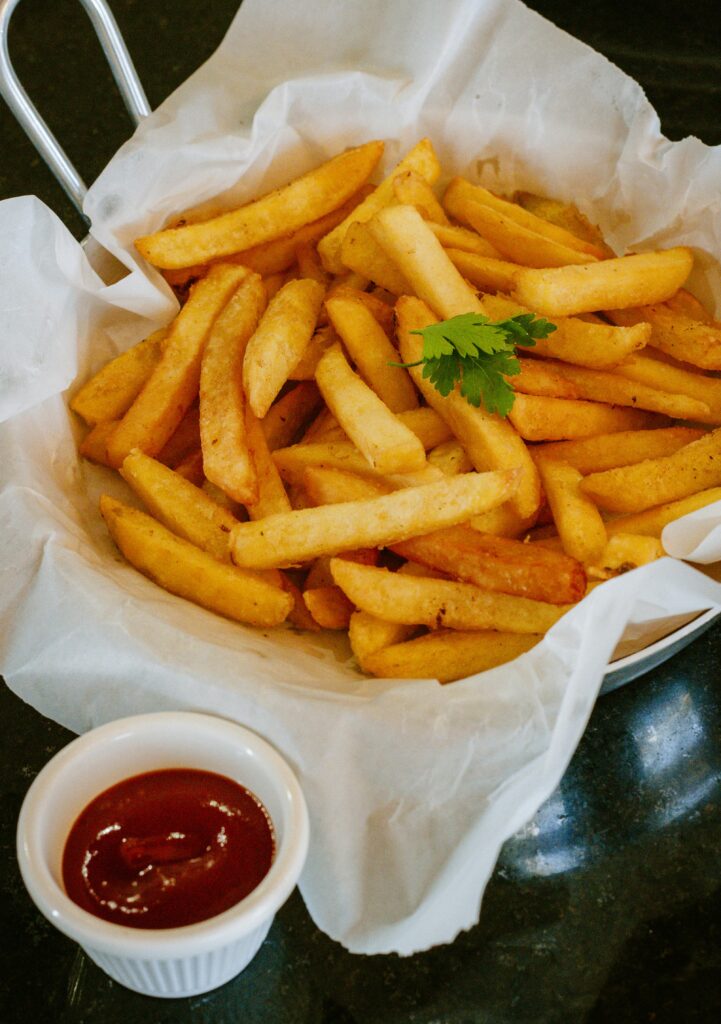
FRENCH FRIES
French fries are one of the most popular snack foods in the world. They are made by cutting potatoes into long strips and deep-frying them until they become golden, crispy, and delicious. French fries are enjoyed by people of all ages and are commonly served in restaurants, fast-food chains, cafes, and homes. They are often eaten as a side dish with burgers, sandwiches, fried chicken, or simply as a snack with sauces such as ketchup, mayonnaise, or cheese dip.
The origin of French fries is debated between Belgium and France. Many historians believe that French fries were first made in Belgium during the seventeenth century. According to a popular story, villagers living near rivers used to fry small fish as food. During winter, when rivers froze and fish were unavailable, they cut potatoes into fish-like shapes and fried them instead. Later, the dish became famous in neighboring France as well. American soldiers during World War I reportedly tasted fried potatoes in Belgium, where French was widely spoken, and started calling them “French fries.” Since then, the name became internationally popular.
The main ingredient in French fries is the potato. Potatoes are rich in carbohydrates and are one of the most widely consumed vegetables in the world. Certain potato varieties are preferred for making fries because they contain more starch and less water, which helps create a crispy texture. Russet potatoes are commonly used in many countries because they become crunchy outside while remaining soft inside.
The process of making French fries may appear simple, but achieving perfect fries requires skill and technique. First, potatoes are washed, peeled, and cut into thin strips. The strips are soaked in water to remove excess starch, which helps prevent sticking and improves crispiness. After drying, the potato strips are fried in hot oil. Many cooks use a double-frying method. In the first stage, potatoes are fried at a lower temperature to cook them inside. In the second stage, they are fried at a higher temperature to make them crispy and golden brown. Finally, salt and seasonings are added before serving.
French fries come in many shapes and styles. Thin fries are crispy and commonly served in fast-food restaurants. Thick-cut fries are softer inside and often found in cafes or homemade meals. Curly fries are spiral-shaped and seasoned with spices, while waffle fries have a crisscross pattern that makes them crunchy. Shoestring fries are very thin, and steak fries are thick and hearty. Sweet potato fries are another variation made from sweet potatoes instead of regular potatoes.
One reason French fries became so popular is their delicious taste and texture. The combination of crispy outside and soft inside creates a satisfying eating experience. The salty flavor and warm aroma make fries highly appealing. French fries also pair well with many foods, which increases their popularity. They are commonly served with burgers, hot dogs, grilled meat, sandwiches, and fried chicken.
Fast-food culture played a major role in spreading French fries around the world. International fast-food companies made fries one of the most recognized foods globally. Restaurants and street vendors in many countries developed their own versions of fries with local flavors and spices. In India, for example, masala fries are popular and often seasoned with chili powder, chaat masala, and herbs. In Canada, a famous dish called poutine combines fries with cheese curds and gravy. In the United Kingdom, fries are commonly served as “chips” with fried fish in the famous dish fish and chips.
French fries are also popular because they are convenient and affordable. Potatoes are inexpensive and widely available, making fries easy to prepare. Frozen French fries can be cooked quickly at home in ovens, air fryers, or deep fryers. Their convenience makes them a favorite snack for busy people and families.
Nutritionally, French fries mainly provide carbohydrates, which give energy to the body. Potatoes also contain vitamin C, potassium, and fiber. However, deep frying increases the calorie and fat content of fries. Excessive consumption of French fries may contribute to obesity and health problems because they often contain high amounts of oil and salt. Health-conscious people sometimes choose baked fries or air-fried fries as healthier alternatives because they use less oil.
French fries have become a part of global food culture. They are served at parties, movie theaters, sports events, schools, and restaurants. People often associate fries with comfort food because they are enjoyable and familiar. Children especially love French fries because of their crispy texture and mild flavor. Many restaurants include fries in children’s meals and combo meals.
Another interesting aspect of French fries is the variety of toppings and dips used with them. Ketchup is the most common sauce, but fries are also eaten with mayonnaise, cheese sauce, garlic dip, barbecue sauce, chili sauce, and mustard. Some restaurants serve loaded fries topped with cheese, bacon, chicken, vegetables, or spicy sauces. These creative combinations make French fries even more exciting and flavorful.
French fries are also connected to social experiences. Friends and families often share fries while eating together at restaurants or watching movies. Their easy-to-share nature makes them a popular snack during gatherings and celebrations. Street vendors around the world sell fries as quick and satisfying food for travelers and students.
The popularity of French fries has also influenced modern food trends. Restaurants and chefs constantly create new styles of fries, including truffle fries, peri-peri fries, garlic parmesan fries, and cheesy fries. Social media platforms have made visually appealing fries dishes famous, encouraging people to experiment with recipes and flavors.
Despite their simple ingredients, French fries require attention to detail for perfect results. The choice of potato, frying temperature, oil quality, and seasoning all affect the final taste and texture. Professional chefs often consider French fries an art because achieving the ideal balance of crispiness and softness can be challenging.
French fries also show how food can travel and adapt across cultures. Although they originated in Europe, they became popular worldwide and developed local variations in different countries. This global acceptance demonstrates the universal appeal of potatoes and fried foods.In conclusion, French fries are one of the world’s most beloved foods. Made from potatoes and fried until crispy, they have become a global symbol of comfort and fast food culture. Their delicious taste, versatility, affordability, and convenience make them popular among people of all ages. From simple salted fries to creative loaded versions, French fries continue to evolve and remain a favorite snack and side dish worldwide. Whether enjoyed at home, in restaurants, or at street stalls, French fries bring joy and satisfaction to millions of people every day
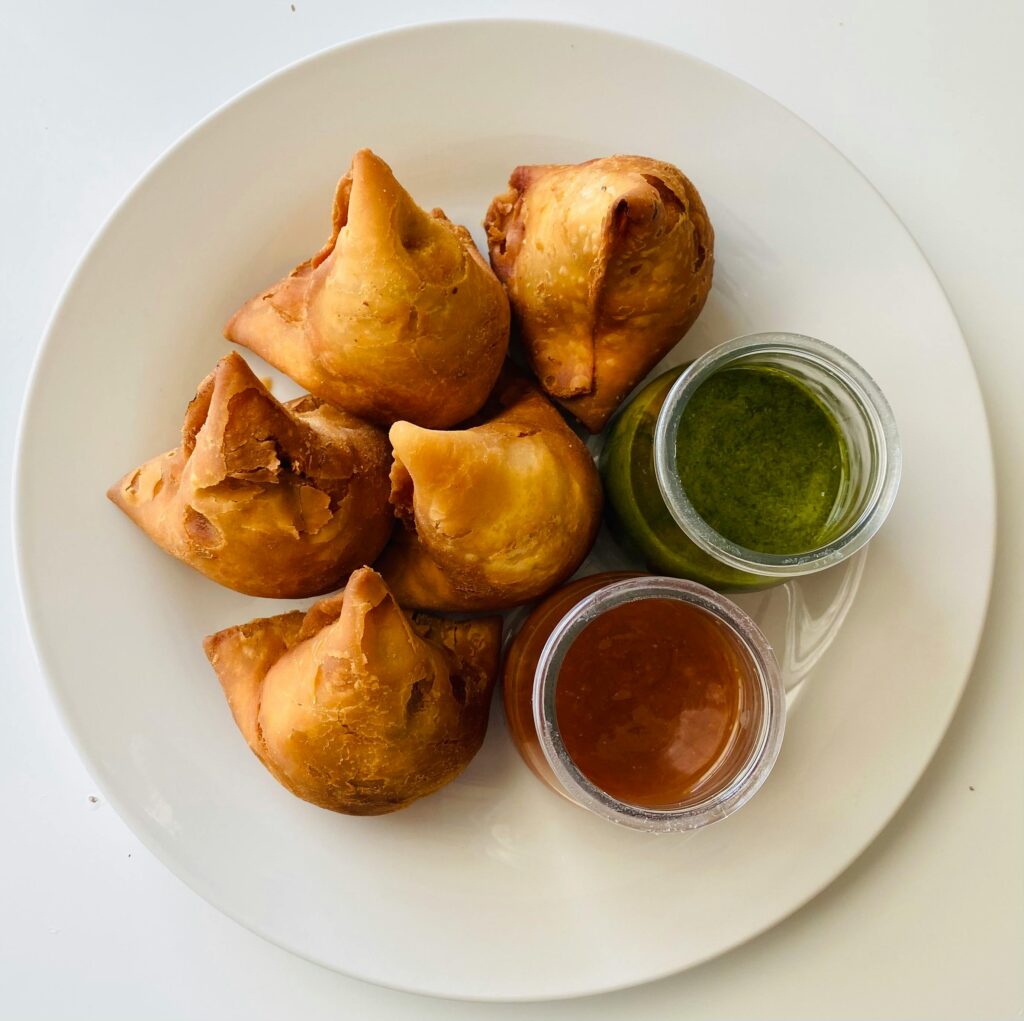
SAMOSA
Samosa is one of the most famous and beloved snacks in South Asia and many other parts of the world. It is a deep-fried pastry filled with spicy ingredients such as potatoes, peas, onions, lentils, meat, or paneer. The outer layer of a samosa is usually made from flour dough, while the inside contains flavorful fillings mixed with herbs and spices. Samosas are known for their triangular shape, crispy texture, and rich taste. They are commonly eaten as snacks, appetizers, or street food and are often served with chutneys, sauces, or tea.
The history of the samosa is long and interesting. Although samosas are strongly associated with India today, historians believe they actually originated in the Middle East or Central Asia many centuries ago. Early forms of samosas were called “sambusak” or “sanbusaj” in Persian and Arabic cultures. Traders and travelers carried the dish along trade routes to South Asia. During the Delhi Sultanate period in medieval India, samosas became popular among royal families and common people. Indian cooks later adapted the recipe by adding local spices and ingredients, creating the modern samosa enjoyed today.
The basic structure of a samosa includes two main parts: the outer pastry and the filling. The pastry is made using wheat flour, water, salt, and oil or ghee. The dough is rolled into thin sheets and shaped into cones. These cones are then filled with prepared stuffing and sealed carefully before frying. The filling varies from region to region. In India, the most common filling is spiced potatoes mixed with peas, green chilies, coriander, cumin, turmeric, and garam masala. In some places, meat fillings such as minced lamb or chicken are also popular.
The cooking process of samosas requires skill and patience. After preparing the dough and filling, the samosas are shaped into triangles and deep-fried in hot oil at medium heat. Frying slowly helps the outer layer become crispy and golden brown without burning. Some modern versions are baked or air-fried instead of deep-fried to reduce oil content. Once cooked, samosas are usually served hot and fresh.
One reason samosas are so popular is their delicious combination of textures and flavors. The crispy outer shell contrasts perfectly with the soft and spicy filling inside. The use of spices such as cumin, coriander, turmeric, chili powder, and garam masala creates a rich and aromatic flavor. Tamarind chutney, mint chutney, or tomato ketchup are often served alongside samosas to enhance the taste further.
Samosas are highly versatile and can be prepared in many different ways. Vegetarian samosas are most common, but non-vegetarian versions with chicken, beef, lamb, or fish are also widely enjoyed. Some modern recipes include cheese, noodles, chocolate, or sweet fillings. Mini samosas are served as party snacks, while larger samosas are eaten as meals. This flexibility has helped samosas remain popular across cultures and generations.
In India, samosas are an important part of food culture. They are sold in tea stalls, street markets, railway stations, schools, restaurants, and homes. People often enjoy samosas during breakfast, evening tea, festivals, or social gatherings. In many Indian households, serving samosas to guests is considered a sign of hospitality. Samosas are especially popular during rainy weather because people enjoy eating hot snacks with tea.
Different regions in India have their own styles of samosas. Punjabi samosas are large and filled with spicy potato mixtures. Bengali samosas, called “singara,” are smaller and may include peanuts or cauliflower. In Hyderabad, samosas are often smaller and contain minced meat. South Indian versions may include curry leaves and regional spices. These regional differences show the diversity of Indian cuisine and local tastes.
Samosas are not limited to India alone. They are popular in Pakistan, Bangladesh, Nepal, Afghanistan, and many Middle Eastern and African countries. In East Africa, samosas are common snacks sold in markets and cafes. Immigrants from South Asia introduced samosas to Europe, North America, and Australia, where they became popular in restaurants and multicultural communities. Today, samosas are recognized as an international snack enjoyed by millions of people worldwide.
Nutritionally, samosas provide carbohydrates from the pastry and potatoes, while fillings like peas, lentils, or meat add protein and nutrients. Spices used in samosas may also have health benefits, such as improving digestion and adding antioxidants. However, deep-fried samosas can contain high amounts of oil and calories. Eating too many fried samosas regularly may not be healthy. To make them healthier, some people bake samosas or use less oily fillings.
The popularity of samosas is also connected to their affordability and convenience. The ingredients are simple and inexpensive, making samosas accessible to people from different economic backgrounds. Street vendors can prepare large numbers of samosas at low cost, which is why they are common street food in many countries. Their portable shape also makes them easy to carry and eat on the go.
Another interesting aspect of samosas is their role in social and cultural events. They are commonly served during weddings, festivals, birthdays, and religious celebrations. During festivals like Ramadan, Diwali, and Eid, samosas are prepared in large quantities and shared with family and friends. This tradition strengthens social bonds and creates a sense of community.
Modern food trends have also influenced samosas. Restaurants and chefs now create fusion versions such as pizza samosas, pasta samosas, paneer tikka samosas, and chocolate samosas. Frozen samosas are sold in supermarkets, making them easy to cook at home. Social media and food blogs have further increased the popularity of samosas by sharing recipes and creative variations.
The aroma of frying samosas is another reason people love them. The smell of spices, herbs, and crispy pastry creates a warm and inviting feeling. Freshly fried samosas are often difficult to resist because of their appearance and fragrance. Many people associate samosas with comfort, celebration, and family gatherings.
Samosas also represent cultural exchange and adaptation. A dish that began in the Middle East traveled across regions and evolved into different forms according to local ingredients and traditions. This journey shows how food can connect people and cultures over time.
In conclusion, samosas are much more than just a snack. They are a symbol of tradition, flavor, and cultural diversity. From their historical origins in Central Asia and the Middle East to their worldwide popularity today, samosas have become one of the most loved foods globally. Their crispy texture, spicy filling, and endless variety make them enjoyable for people of all ages. Whether eaten from a street stall, homemade kitchen, or restaurant, samosas continue to bring comfort, satisfaction, and joy to millions of people around the world.
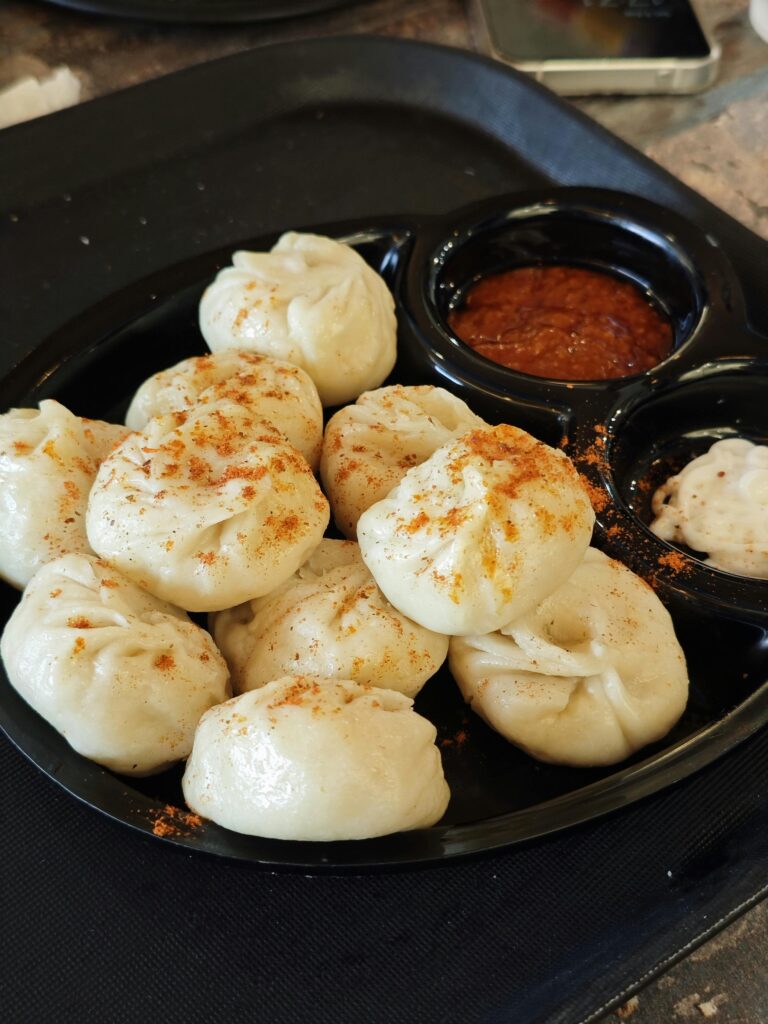
MOMOS
Momo is one of the most popular street foods in many parts of Asia, especially in regions near the Himalayas. Momos are soft dumplings filled with vegetables, meat, or other ingredients and are usually steamed, fried, or pan-fried before serving. They are loved for their delicious taste, juicy filling, and variety of flavors. Momos are commonly eaten in countries such as Tibet, Nepal, India, Bhutan, and parts of China. Over the years, they have become internationally famous and are now available in restaurants and food stalls around the world.
The origin of momos is believed to be connected to Tibet and nearby Himalayan regions. Historians think that momos were influenced by Chinese dumplings and later adapted according to local tastes and ingredients. In Tibet, momos became an important part of daily meals because they were easy to prepare and suitable for cold climates. Traders and travelers helped spread momos to Nepal, Bhutan, and northern India. Today, momos are strongly associated with Tibetan and Nepalese cuisine, but they are especially popular in Indian cities as street food.
The structure of a momo is simple but flavorful. It consists of an outer dough wrapper and an inner filling. The dough is made using wheat flour and water, creating a soft and smooth texture. The filling may include vegetables such as cabbage, carrots, onions, and mushrooms, or meats such as chicken, pork, buffalo, or mutton. Spices, garlic, ginger, soy sauce, and herbs are mixed into the filling to create rich flavors. The dumplings are then carefully folded into shapes such as round, half-moon, or pleated patterns before cooking.
Steamed momos are the most traditional and common variety. They are cooked in steamers until the dough becomes soft and slightly shiny. Steaming keeps the momos juicy and healthy because less oil is used. Fried momos are another popular version where steamed or raw momos are deep-fried until crispy and golden brown. Pan-fried momos, sometimes called “kothey,” are crispy on one side and soft on the other. Tandoori momos, which are coated with spicy sauces and cooked in a clay oven, are a modern Indo-Chinese variation that has become extremely popular in India.
One of the most important parts of eating momos is the dipping sauce. Momos are usually served with spicy chutney or sauce made from tomatoes, red chilies, garlic, and sesame seeds. Some places also serve mayonnaise, soy sauce, or soup alongside momos. The spicy chutney adds heat and flavor, balancing the soft texture of the dumplings.
Momos became especially popular in India during the late twentieth century. Tibetan refugees and Nepalese communities introduced momo stalls in northern Indian cities such as Delhi, Darjeeling, Gangtok, and Dehradun. Gradually, momos spread across the country and became a favorite street snack among students, office workers, and families. Today, momo stalls can be found in almost every Indian city, often crowded with customers in the evening.
One reason momos are so popular is their versatility. They can be made vegetarian or non-vegetarian according to personal preferences. Different fillings and sauces create endless flavor combinations. Cheese momos, paneer momos, mushroom momos, chocolate momos, and corn momos are examples of modern variations. Restaurants and street vendors continue experimenting with new styles to attract customers.
Another reason for the popularity of momos is their convenience and affordability. Momos are relatively inexpensive to make because the ingredients are simple and easily available. Vendors can prepare large batches quickly, making them suitable for busy urban environments. They are also portable and easy to eat, making them ideal street food.
Momos also have nutritional value. Steamed momos can be healthier than many fried snacks because they contain less oil. Vegetable momos provide fiber, vitamins, and minerals, while meat momos provide protein. However, the nutritional value depends on the ingredients and cooking method. Fried momos and heavy sauces may increase calorie and fat content. Homemade momos with fresh ingredients are often healthier than processed or fast-food versions.
The process of making momos requires skill and patience. First, the dough is prepared and allowed to rest so it becomes soft and elastic. The filling is cooked or mixed with spices. Small pieces of dough are rolled into thin circles, and filling is placed in the center. The edges are folded carefully to seal the momo. The dumplings are then steamed or fried. The folding style is important because it affects the appearance and prevents the filling from leaking during cooking.
Momos are not only food but also a part of culture and social life. In many Himalayan communities, families gather together to make momos during festivals, holidays, and celebrations. Preparing momos often becomes a group activity where family members sit together, talk, and fold dumplings. This tradition strengthens social bonds and creates joyful experiences.
Momos are also popular in modern food culture. Social media platforms, cooking channels, and food blogs frequently feature momo recipes and street-food videos. Restaurants compete to create unique momo flavors and presentations. Some cafes even serve giant momos or spicy challenge momos to attract customers. These innovations keep the dish exciting and appealing to younger generations.
Another interesting aspect of momos is their connection to migration and cultural exchange. Tibetan refugees and Nepalese communities carried their food traditions to different countries, helping momos gain international recognition. As people tasted and adapted the dish, momos evolved into new forms influenced by local flavors and cooking styles. This shows how food can travel across borders and connect cultures.
The texture and flavor of momos are among their biggest attractions. The soft outer wrapper, juicy filling, aromatic spices, and spicy chutney combine to create a satisfying eating experience. Freshly steamed momos release warm steam and delicious aromas that make them highly tempting. The balance of softness, spice, and flavor explains why so many people enjoy them.
Momos are also suitable for many occasions. They can be eaten as snacks, appetizers, lunch, or dinner. Street vendors sell them as quick evening snacks, while restaurants serve them as starters before meals. They are easy to share with friends and family, making them ideal for gatherings and casual outings.
In conclusion, momos are one of the most loved dumpling dishes in the world. Originating in Tibet and the Himalayan regions, they spread across Asia and became especially popular in India and Nepal. Their soft texture, flavorful fillings, and spicy chutneys make them enjoyable for people of all ages. Momos are affordable, versatile, and culturally significant, representing both tradition and modern food creativity. Whether steamed, fried, or tandoori-style, momos continue to bring comfort and satisfaction to millions of food lovers around the globe.
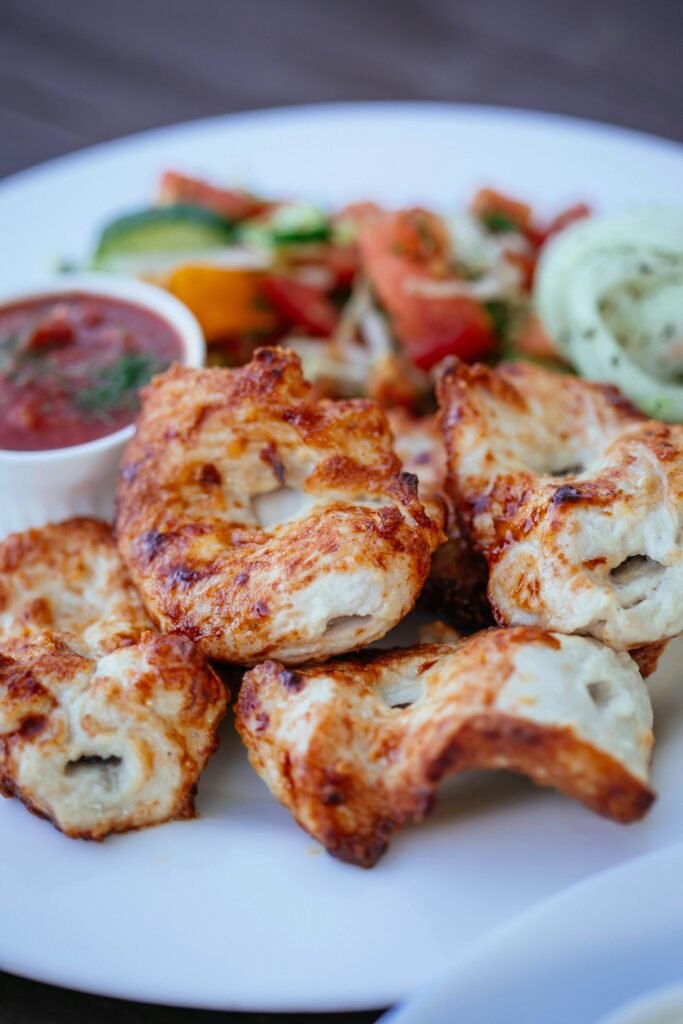
CHAAP TIKKA
Chaap tikka is a popular North Indian vegetarian dish known for its rich flavors, smoky aroma, and soft texture. It is especially famous in cities such as Delhi, Punjab, and other parts of northern India. Chaap tikka is made using soy chaap, which is prepared from soy protein and wheat flour. The chaap pieces are marinated with yogurt, spices, and herbs, then grilled, roasted, or cooked in a tandoor until they become flavorful and slightly charred. The dish is commonly served as a starter, snack, or side dish and is enjoyed by vegetarians and non-vegetarians alike because of its meat-like texture.
The word “tikka” refers to small marinated pieces of food that are grilled or roasted. Traditionally, tikka dishes in India were made with chicken or meat cooked in clay ovens called tandoors. Over time, vegetarian alternatives became popular, and soy chaap emerged as one of the most loved substitutes. Chaap tikka combines traditional Indian tandoori cooking methods with modern vegetarian ingredients, creating a dish that is both delicious and satisfying.
The main ingredient in chaap tikka is soy chaap. Soy chaap is made from soybeans and wheat protein, giving it a chewy and fibrous texture similar to meat. It is usually shaped around wooden sticks, making it easy to grill and cook. Soy chaap has become very popular in vegetarian cuisine because it absorbs marinades and spices well. It is rich in protein, making it a good alternative for people who do not eat meat.
The preparation of chaap tikka begins with marination. The chaap pieces are first cleaned and lightly boiled or fried to improve texture. After this, they are coated in a thick marinade made from yogurt, ginger-garlic paste, chili powder, turmeric, garam masala, cumin, coriander powder, lemon juice, mustard oil, and salt. Some recipes also include cream, cheese, kasuri methi, or food coloring to enhance flavor and appearance. The marinated chaap is left for some time so that the spices can fully absorb into the pieces.
After marination, the chaap is grilled in a tandoor, oven, or pan. Traditional tandoor cooking gives the dish a smoky flavor and slight char marks, which are highly valued in Indian cuisine. While grilling, butter or oil may be brushed over the chaap to keep it juicy and flavorful. Once cooked, chaap tikka is usually garnished with onions, lemon wedges, coriander leaves, and mint chutney.
One reason chaap tikka has become so popular is its unique texture and flavor. The outside becomes slightly crispy and smoky, while the inside remains soft and juicy. The blend of yogurt, spices, and smoky roasting creates a rich and aromatic taste. Many people enjoy chaap tikka because it provides a satisfying eating experience similar to grilled meat while remaining completely vegetarian.
Chaap tikka is especially popular in Delhi street food culture. Food stalls, restaurants, and roadside vendors often serve different varieties of chaap tikka in the evenings. Areas known for street food frequently attract crowds of people enjoying spicy chaap dishes with friends and family. In recent years, social media and food blogging have further increased the popularity of chaap tikka by showcasing creative recipes and colorful presentations.
There are many types of chaap tikka available today. Malai chaap tikka uses cream and cheese for a rich and mild flavor. Afghani chaap tikka is creamy and less spicy, inspired by Mughlai cuisine. Achari chaap tikka includes pickle spices for tangy taste. Hariyali chaap tikka uses mint and coriander paste to create a green-colored marinade with fresh flavors. Tandoori chaap tikka is spicy and smoky, making it one of the most common versions. These variations show the creativity and diversity of Indian vegetarian cooking.
Chaap tikka is not only tasty but also filling and nutritious. Soy protein contains essential amino acids and provides a good source of protein for vegetarians. Yogurt used in the marinade provides calcium and probiotics. Spices such as turmeric, ginger, and garlic may also offer health benefits because they contain antioxidants and anti-inflammatory properties. However, some restaurant versions may contain high amounts of butter, cream, and oil, increasing calorie content. Homemade chaap tikka prepared with less oil can be a healthier option.
Another reason for the popularity of chaap tikka is its versatility. It can be served in many ways. Some people enjoy it as a starter with chutney, while others use it in wraps, rolls, sandwiches, or curries. Chaap tikka rolls wrapped in naan or paratha are especially popular street foods. Restaurants also serve butter chaap, masala chaap, and gravy chaap as main-course dishes with naan or rice.
The cultural significance of chaap tikka is connected to India’s rich vegetarian traditions. India has one of the largest vegetarian populations in the world due to religious, cultural, and personal choices. Dishes like chaap tikka provide flavorful alternatives to meat-based foods while maintaining the bold spices and smoky cooking methods associated with Indian cuisine. It reflects how Indian food culture constantly adapts and innovates.
Chaap tikka is also associated with social gatherings and celebrations. It is commonly served at parties, weddings, family dinners, and festive occasions. Because it can be cooked in large quantities and shared easily, it is ideal for group meals and outdoor gatherings. Barbecue-style chaap tikka cooked on grills has become increasingly popular during celebrations and restaurant dining experiences.
Modern food trends have introduced fusion styles of chaap tikka as well. Chefs and restaurants now experiment with cheese-filled chaap, peri-peri chaap, spicy Schezwan chaap, and even pizza-style chaap. Some cafes use chaap tikka as toppings for burgers, pasta, or rice bowls. These innovations appeal to younger generations and help keep the dish modern and exciting.
The aroma of chaap tikka is one of its strongest attractions. The smell of roasting spices, smoky charcoal, butter, and herbs creates a mouthwatering experience. Freshly grilled chaap tikka served sizzling hot often attracts people from a distance in busy food markets. The visual appeal of colorful marinades and charred edges also adds to its popularity.
Chaap tikka also represents the growing demand for vegetarian and plant-based foods around the world. As more people explore vegetarian diets for health, environmental, or ethical reasons, dishes like chaap tikka are gaining international attention. Soy-based foods provide alternatives that are both flavorful and protein-rich, making them appealing to many consumers.
In conclusion, chaap tikka is a flavorful and popular Indian vegetarian dish that combines traditional tandoori cooking with modern soy-based ingredients. Its smoky aroma, spicy marinade, and soft texture make it a favorite among food lovers. Originating mainly from North Indian food culture, chaap tikka has evolved into many varieties and fusion styles while remaining deeply connected to Indian culinary traditions. Whether served as street food, restaurant appetizers, or homemade snacks, chaap tikka continues to delight people with its rich taste and satisfying texture.
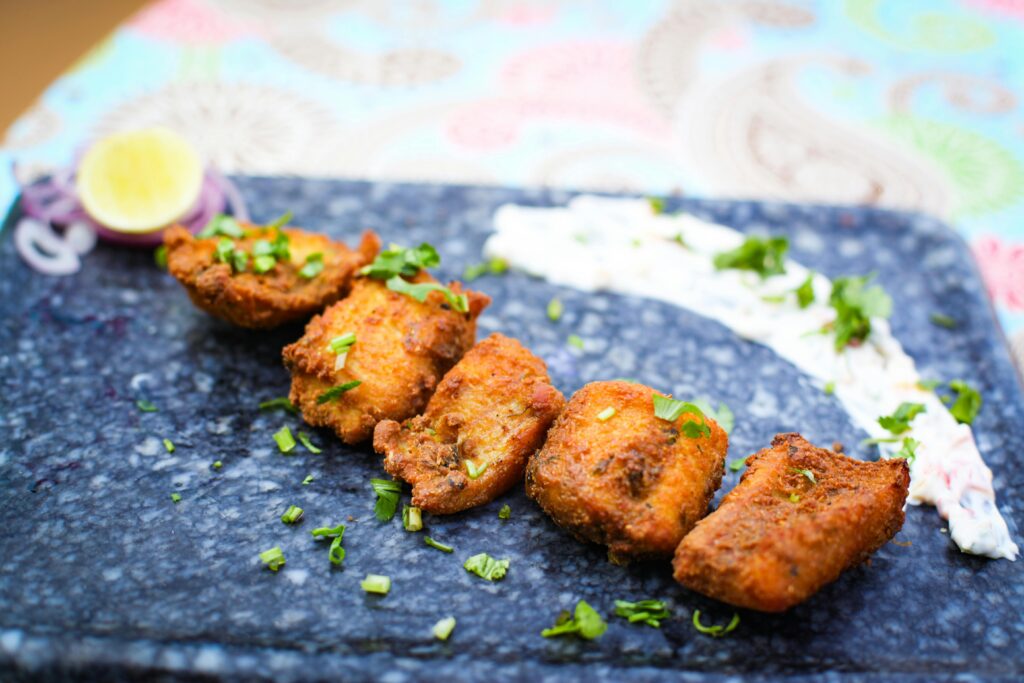
PANEER TIKKA
Paneer tikka is one of the most famous vegetarian dishes in Indian cuisine. It is a flavorful and smoky dish made by marinating cubes of paneer, also known as Indian cottage cheese, in yogurt and spices, then grilling or roasting them until slightly charred. Paneer tikka is commonly served as a starter, snack, or appetizer in restaurants, street food stalls, and homes across India and many other countries. It is loved for its rich taste, soft texture, colorful appearance, and aromatic spices.
The word “paneer” refers to fresh Indian cottage cheese, while “tikka” means small pieces or chunks that are marinated and grilled. The cooking style of tikka dishes originated from the traditional tandoor cooking method used in the Indian subcontinent. A tandoor is a cylindrical clay oven heated with charcoal or wood, giving food a smoky flavor and unique texture. Although chicken tikka was originally more common, vegetarian versions such as paneer tikka became popular because of India’s large vegetarian population.
Paneer is the main ingredient in paneer tikka. It is made by curdling milk with lemon juice or vinegar and then pressing the curds into solid blocks. Paneer has a mild flavor and soft texture, making it ideal for absorbing spices and marinades. Unlike many cheeses, paneer does not melt when heated, which allows it to retain its shape during grilling or roasting. This quality makes it perfect for tikka dishes.
The preparation of paneer tikka begins with marination. Cubes of paneer are mixed with thick yogurt and a blend of spices such as red chili powder, turmeric, garam masala, cumin, coriander powder, ginger-garlic paste, salt, and lemon juice. Some recipes also include mustard oil, kasuri methi, black pepper, and chaat masala for extra flavor. Vegetables such as onions, capsicum, and tomatoes are often added to the marinade as well. The marinated paneer and vegetables are then placed on skewers.
After marination, the skewers are cooked in a tandoor, oven, grill, or pan. The high heat cooks the paneer and vegetables quickly while creating slight charring on the edges. This smoky flavor is one of the most important characteristics of paneer tikka. During cooking, butter or oil may be brushed over the paneer to keep it moist and enhance flavor. Once ready, paneer tikka is served hot with mint chutney, onion rings, and lemon wedges.
One reason paneer tikka is so popular is its delicious combination of textures and flavors. The paneer remains soft and creamy inside, while the outside becomes smoky and slightly crispy. The yogurt-based marinade gives a tangy taste, while the spices create warmth and richness. The grilled vegetables add sweetness and crunch, making the dish colorful and enjoyable.
Paneer tikka is also highly versatile. It can be served as a starter or used in many other dishes. Paneer tikka masala is a famous curry made by adding grilled paneer tikka to a creamy tomato-based gravy. Paneer tikka rolls and wraps are popular street foods where paneer tikka is wrapped inside naan or paratha with sauces and vegetables. Some restaurants also use paneer tikka as toppings for pizza, sandwiches, burgers, and pasta.
In India, paneer tikka is especially popular in North Indian cuisine. It is commonly served in Punjabi restaurants and dhabas, where tandoori cooking is highly valued. During weddings, festivals, family gatherings, and parties, paneer tikka is often included in menus because it is loved by both children and adults. It is also a favorite choice among vegetarians looking for rich and flavorful dishes.
Paneer tikka has become internationally famous as well. Indian restaurants around the world often include paneer tikka on their menus because it represents the vibrant flavors of Indian cuisine. In countries with growing interest in vegetarian food, paneer tikka is appreciated for its taste, protein content, and satisfying texture. Food bloggers, cooking shows, and social media platforms have further increased its global popularity.
Nutritionally, paneer tikka offers several benefits. Paneer is rich in protein and calcium, which are important for muscles and bones. Yogurt in the marinade provides probiotics and nutrients. The spices used in paneer tikka, such as turmeric, garlic, and ginger, may also have health benefits due to their antioxidant and anti-inflammatory properties. Compared to many deep-fried snacks, grilled paneer tikka can be a healthier option because it uses less oil. However, restaurant versions with heavy butter and cream may contain more calories.
There are many variations of paneer tikka available today. Hariyali paneer tikka uses green herbs such as mint and coriander for fresh flavor and green color. Malai paneer tikka is creamy and mild, made with cream and cheese. Achari paneer tikka includes pickle spices for tangy flavor. Tandoori paneer tikka is spicy and smoky, while Afghani paneer tikka is rich and less spicy. Fusion versions such as peri-peri paneer tikka and Schezwan paneer tikka reflect modern culinary creativity.
The popularity of paneer tikka is also linked to the growing demand for vegetarian and plant-based foods. Many people today choose vegetarian diets for health, ethical, environmental, or religious reasons. Paneer tikka provides a satisfying alternative to meat-based grilled dishes because of its protein-rich paneer and bold flavors. It shows how vegetarian cuisine can be both nutritious and delicious.
Another interesting aspect of paneer tikka is its role in social and cultural experiences. Sharing grilled food is often associated with celebration and togetherness. Paneer tikka is commonly prepared during barbecues, festivals, and dinner parties, where people gather to enjoy food and conversation. The sizzling presentation and smoky aroma create excitement and appetite.
The aroma of paneer tikka is one of its most attractive features. The smell of roasting spices, yogurt, charcoal, and butter creates a mouthwatering experience. The colorful appearance of paneer cubes and vegetables, with red, orange, and green shades, also makes the dish visually appealing. This combination of aroma, flavor, and presentation explains why paneer tikka is loved by so many people.
Modern restaurants continue experimenting with new forms of paneer tikka. Cheese-stuffed paneer tikka, paneer tikka tacos, paneer tikka burgers, and paneer tikka rice bowls are examples of how traditional Indian flavors are combined with global cuisines. These innovations help attract younger generations while preserving the essence of the dish.
Paneer tikka also represents the richness and diversity of Indian culinary traditions. Indian cuisine is known for its creative use of spices, herbs, and cooking techniques. Paneer tikka reflects these traditions through its flavorful marinade, tandoori cooking style, and balanced textures. It is a dish that combines simplicity with sophistication.
In conclusion, paneer tikka is one of the most beloved vegetarian dishes in Indian cuisine. Made from marinated and grilled paneer cubes, it offers a delicious combination of smoky flavor, soft texture, and aromatic spices. Its versatility, nutritional value, and cultural importance have made it popular not only in India but across the world. Whether served as a starter, street food, or part of a main course, paneer tikka continues to delight food lovers with its rich taste and satisfying experience.
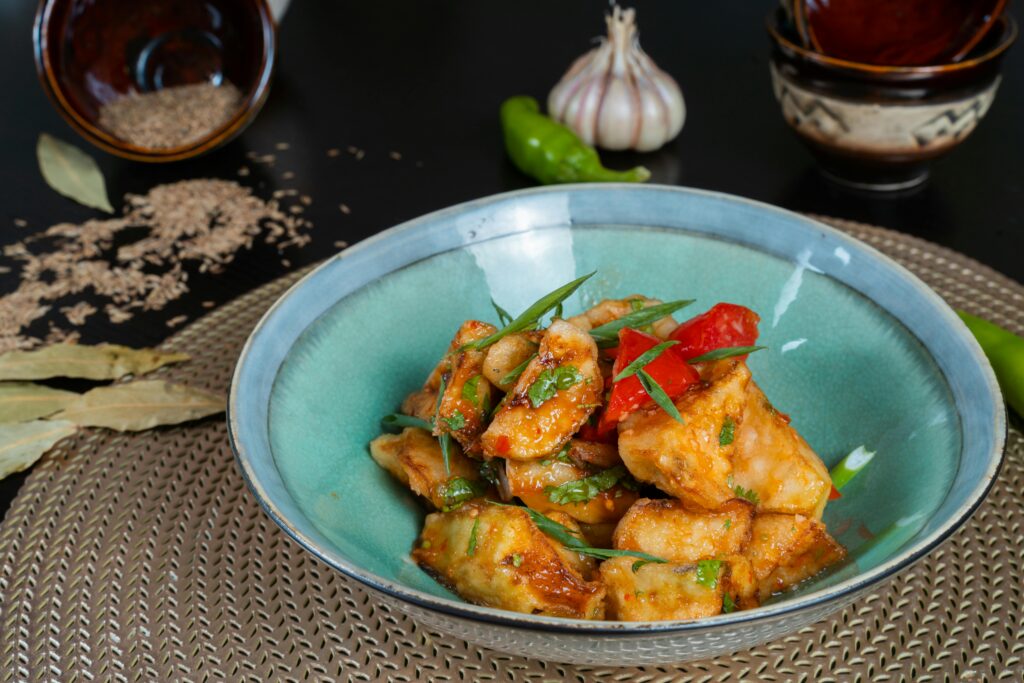
CHILI PATATO
Chili Potato is one of the most popular Indo-Chinese street foods found across India, especially in cafés, food courts, and roadside stalls. It combines crispy fried potatoes with spicy, tangy, slightly sweet sauces and crunchy vegetables. The dish is loved because it delivers multiple textures and flavors at once: crisp potatoes, glossy sauce, heat from chilies, sweetness from ketchup, and freshness from onions and capsicum. Although inspired by Chinese cooking techniques, chili potato is a uniquely Indian creation that reflects the fusion style known as Indo-Chinese cuisine.
The foundation of chili potato is simple: potatoes cut into fingers or wedges are fried until crispy. These fried potatoes are then tossed in a sauce made with ingredients such as soy sauce, tomato ketchup, red chili sauce, vinegar, garlic, ginger, and green chilies. Vegetables like onions, spring onions, and bell peppers are often added for crunch and aroma. Some versions are dry and served as snacks, while others include extra gravy and are eaten with fried rice or noodles.
The history of Indo-Chinese cuisine dates back to the Chinese communities that settled in Kolkata during the nineteenth century. Chinese immigrants adapted their traditional cooking to local Indian tastes by adding stronger spices, more chili, and sweeter sauces. Over time, dishes such as chili chicken, hakka noodles, Manchurian, and chili potato became common in restaurants and street stalls throughout India. Chili potato itself became especially popular among young people because it is affordable, flavorful, and easy to share.
To prepare chili potato, cooks usually begin with fresh potatoes. The potatoes are peeled and cut into long strips similar to French fries. They are often soaked in water to remove extra starch, which helps make them crispier during frying. After drying, the potato strips are coated lightly with cornflour or a mixture of cornflour and all-purpose flour. This coating creates a crunchy outer layer when fried. The potatoes are then deep-fried until golden brown.
The sauce is prepared separately in a hot wok or frying pan. Oil is heated, and chopped garlic, ginger, and green chilies are sautéed until aromatic. Onions and capsicum are added and cooked quickly so they remain slightly crisp. Then sauces such as soy sauce, chili sauce, tomato ketchup, and vinegar are mixed together. Some cooks also add sugar or honey to balance the heat and acidity. A cornflour slurry mixed with water may be added to thicken the sauce and give it a glossy texture.
Once the sauce is ready, the fried potatoes are tossed into the wok and coated evenly. Spring onions and sesame seeds are commonly sprinkled on top as garnish. The dish is best served immediately because the potatoes gradually lose their crispness as they absorb the sauce.
One reason chili potato is so popular is its versatility. It can be customized according to personal taste. Some people prefer it very spicy with extra green chilies and Schezwan sauce, while others like a sweeter version with more ketchup and honey. Restaurants also create many variations, including honey chili potato, garlic chili potato, cheese chili potato, and peri-peri chili potato. Honey chili potato is especially famous because it combines spicy flavors with sweetness and is often topped with sesame seeds.
Nutritionally, chili potato is tasty but usually considered an indulgent snack rather than a health food. Potatoes themselves contain carbohydrates, potassium, vitamin C, and fiber. However, deep frying increases the calorie and fat content significantly. The sauces can also contain high amounts of sodium and sugar. Health-conscious cooks sometimes prepare baked or air-fried versions instead of deep-fried ones. These alternatives reduce oil while still giving the potatoes a crisp texture.
Chili potato has become an important part of modern Indian fast-food culture. It is commonly served at birthday parties, college canteens, weddings, and casual gatherings. Street vendors often prepare it live in front of customers using large iron woks over high flames. The sizzling sound, smoky aroma, and quick tossing technique make the cooking process entertaining to watch. In many urban areas, chili potato is considered comfort food for students and young professionals.
The dish also reflects globalization and cultural blending in food. Although inspired by Chinese stir-fry methods and sauces, chili potato uses ingredients and flavor preferences strongly connected to Indian cuisine. This fusion shows how food traditions evolve when cultures interact. Similar fusion dishes can be seen worldwide, but Indo-Chinese cuisine has developed its own distinct identity that is now recognized independently.
Restaurants usually serve chili potato as an appetizer or starter. It pairs well with cold drinks, noodles, fried rice, and other Indo-Chinese dishes. Some people enjoy it with mayonnaise or spicy dips. In homes, it is often prepared during rainy weather or evening snack time because hot, crispy food feels especially satisfying in cool conditions.
Making good chili potato requires attention to texture and balance. If the potatoes are undercooked, they become soft and soggy. If overcooked, they turn too hard. The sauce should coat the potatoes without making them excessively wet. Professional cooks often fry the potatoes twice for extra crispiness. The first fry cooks the potato internally, while the second fry creates a crunchy exterior.
In recent years, social media and food blogging have increased the popularity of chili potato even further. Videos showing dramatic wok tossing, melting cheese toppings, or extra spicy versions attract millions of viewers online. Many cafés now include creative presentations with loaded sauces, herbs, and fusion toppings to appeal to younger customers.
Overall, Chili Potato represents more than just a snack. It symbolizes the creativity of fusion cuisine and the way food can adapt across cultures. With its crispy texture, spicy flavor, and satisfying richness, chili potato continues to be one of the most loved Indo-Chinese dishes in India. Whether enjoyed from a street cart, restaurant, or homemade kitchen, it remains a favorite comfort food for people of all ages.
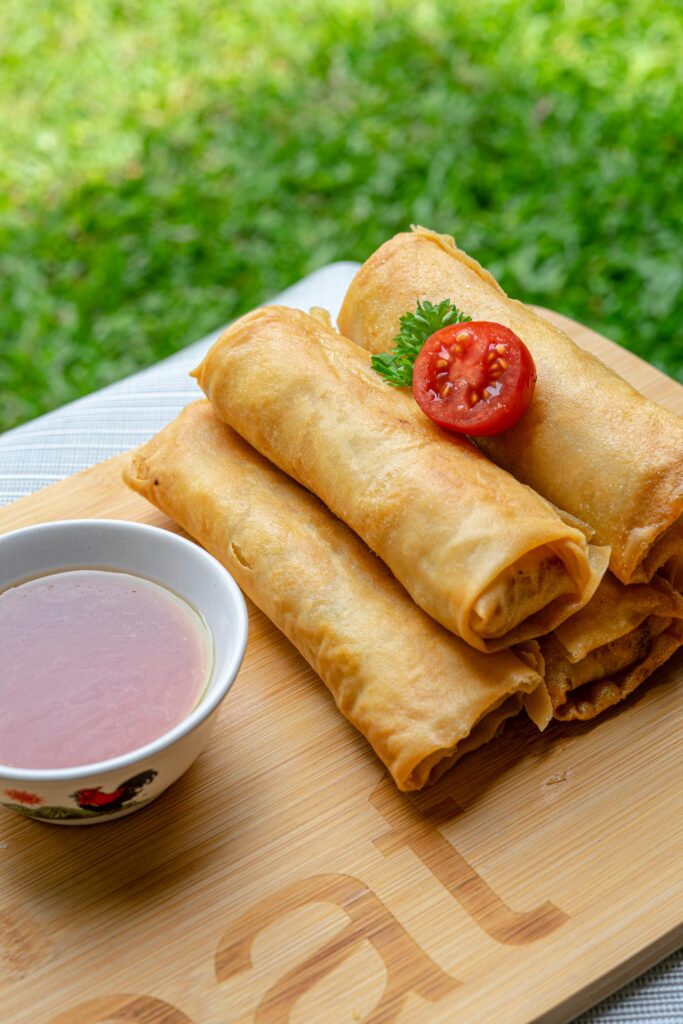
CHAAP ROLL
Chaap Roll is a popular North Indian street food made by wrapping flavorful chaap inside a soft flatbread such as rumali roti, paratha, or naan. It is widely loved for its smoky taste, spicy marinades, and satisfying texture. Chaap rolls are especially popular in cities like Delhi, Chandigarh, and Lucknow, where street food culture is an important part of daily life. The dish combines rich Indian spices, grilled protein, crunchy vegetables, and tangy sauces, creating a filling and flavorful meal that appeals to both vegetarians and non-vegetarians.
The main ingredient in a chaap roll is chaap, which is usually made from soy protein, wheat gluten, or a mixture of both. Soya chaap is often shaped around wooden sticks to resemble meat skewers. Because of its chewy texture and ability to absorb marinades, it is considered one of the best vegetarian substitutes for meat in Indian cuisine. Over time, chaap became highly popular among vegetarians who wanted the taste and experience of tandoori-style dishes without using meat.
The origin of chaap is closely connected to North Indian and Mughlai cooking traditions. Tandoori foods such as kebabs, tikka, and rolls have long been popular in India. As vegetarian food culture expanded, chefs and street vendors experimented with soy-based ingredients to create vegetarian alternatives. This led to the rise of soya chaap dishes such as malai chaap, afghani chaap, achari chaap, tandoori chaap, and finally chaap rolls. Today, chaap rolls are commonly available at roadside stalls, cafés, college canteens, and restaurants.
Preparing a chaap roll involves several steps. First, the chaap pieces are marinated using yogurt, spices, and herbs. Common spices include red chili powder, turmeric, cumin, coriander powder, garam masala, black pepper, ginger-garlic paste, and kasuri methi. The marinade may also contain cream, butter, mustard oil, lemon juice, or cheese depending on the style of roll being prepared. The marinated chaap is left for some time so that the flavors can fully absorb into the protein.
After marination, the chaap is grilled, roasted, or cooked in a tandoor. This process gives the chaap a smoky flavor and slightly crispy edges while keeping the inside juicy. Some vendors cook the chaap on large iron griddles with butter and spices, creating a rich and aromatic coating. Once cooked, the chaap is cut into smaller pieces for easy wrapping.
The outer layer of the chaap roll is usually made using paratha, roomali roti, or lachha paratha. The bread is heated with butter or oil until soft and slightly crispy. Various sauces and chutneys are spread over the bread, including mint chutney, mayonnaise, spicy garlic sauce, yogurt dressing, or ketchup. The cooked chaap pieces are then placed inside along with sliced onions, cabbage, carrots, lettuce, capsicum, and sometimes cheese. Finally, the roll is tightly wrapped and served hot.
One of the reasons chaap rolls are so popular is their variety. There are many different flavors available depending on the marinade and style of preparation. Tandoori chaap roll has a smoky and spicy taste inspired by traditional tandoori dishes. Malai chaap roll uses cream and cheese to create a rich and mild flavor. Afghani chaap roll is creamy, buttery, and less spicy, often flavored with cashew paste and cream. Achari chaap roll includes Indian pickling spices, giving it a tangy and sharp taste. Peri-peri chaap rolls and cheesy fusion rolls are modern variations that appeal to younger customers.
Chaap rolls are also popular because they are convenient. They can be eaten while walking, traveling, or during short meal breaks. College students and office workers often choose chaap rolls as quick evening snacks or affordable meals. Street vendors prepare them fresh in front of customers, adding excitement to the dining experience. The sizzling sound of chaap cooking on a hot griddle and the aroma of butter and spices make the dish highly attractive.
From a nutritional perspective, chaap rolls provide protein due to the soy content in chaap. Soy protein contains essential amino acids and is considered a valuable vegetarian protein source. The vegetables added to the roll contribute vitamins, minerals, and fiber. However, chaap rolls can also be high in calories, fat, and sodium because of butter, oil, sauces, and refined flour breads. Health-conscious people sometimes choose whole wheat wraps, less butter, or grilled versions to make the dish lighter.
The popularity of chaap rolls has grown significantly through social media and food blogging. Food videos showing creamy sauces, cheese-loaded chaap, spicy marinades, and smoky grilling attract millions of viewers online. Many food influencers highlight famous chaap shops in Delhi and other North Indian cities. As a result, chaap rolls have become not only a street food but also a cultural trend among young people.
Chaap rolls also represent the creativity of Indian street food culture. Indian street food is known for adapting traditional dishes into portable and flavorful forms. Similar examples include kathi rolls, frankies, shawarmas, and wraps. Chaap rolls fit perfectly into this category because they combine traditional tandoori cooking with modern fast-food convenience. They also demonstrate how vegetarian cuisine in India continues to evolve with new textures, ingredients, and fusion flavors.
Restaurants and cafés often experiment with innovative versions of chaap rolls. Some include paneer, melted cheese, extra spicy sauces, or even noodles inside the roll. Others use international seasonings such as barbecue sauce, Mexican spices, or Korean flavors to attract customers seeking fusion food. Despite these modern variations, the traditional spicy tandoori chaap roll remains the most loved version.
Chaap rolls are especially popular during evening hours. People often gather at chaap stalls with friends and family to enjoy hot rolls along with cold drinks. In cities like Delhi, entire food streets are famous for chaap dishes, where multiple vendors compete by offering unique flavors and cooking styles. These food streets have become important social spaces where people explore new tastes and enjoy casual dining experiences.
Another important aspect of chaap rolls is their affordability. Compared to restaurant meals, chaap rolls are relatively inexpensive while still being filling. This makes them accessible to students, workers, and families. Their strong flavors and satisfying texture also make them suitable for people who enjoy spicy and rich foods.
Overall, Chaap Roll is more than just a quick snack. It represents the innovation, flavor, and energy of Indian street food culture. With its smoky grilled chaap, spicy marinades, soft bread, crunchy vegetables, and creamy sauces, the chaap roll delivers a complete and memorable eating experience. Whether served from a roadside stall, a trendy café, or a restaurant, chaap rolls continue to be one of the most loved vegetarian fast foods in India.
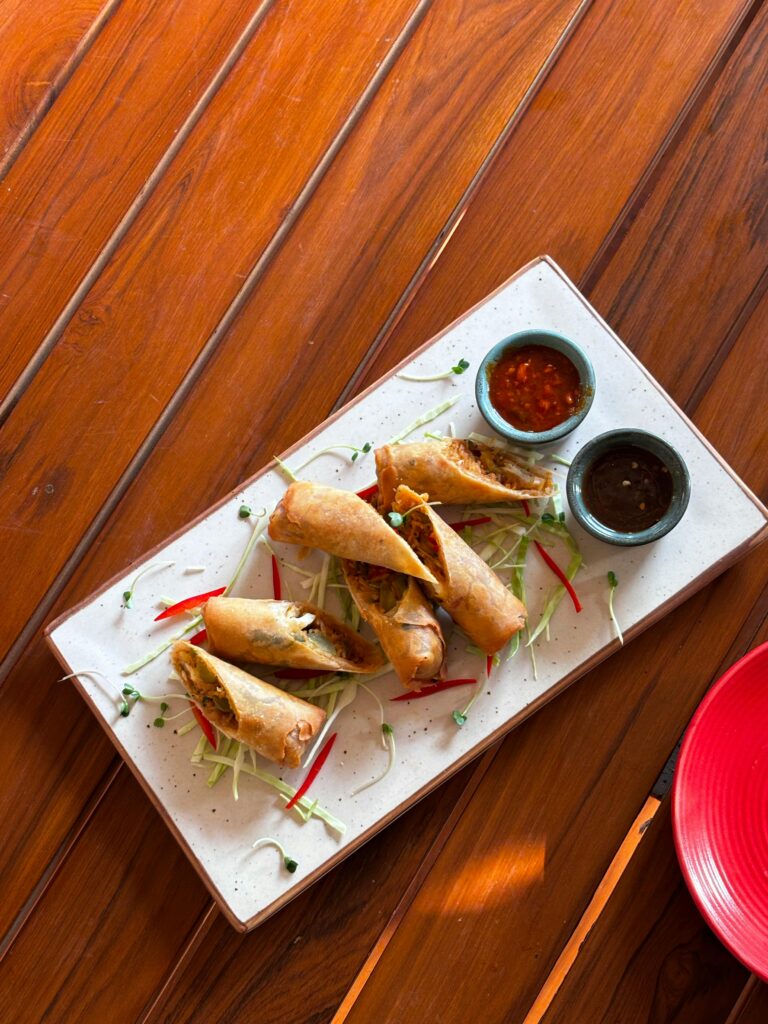
SPRING ROLL
Spring Roll is a famous snack and appetizer enjoyed in many parts of the world, especially across Asia. It is known for its crispy outer layer and flavorful filling made from vegetables, meat, noodles, or seafood. Spring rolls are popular because they are light, crunchy, delicious, and easy to eat. They are commonly served in restaurants, street food stalls, parties, and family gatherings. Different countries have their own versions of spring rolls, each with unique ingredients and cooking methods.
The origin of spring rolls is believed to come from ancient China. Historians say that spring rolls were originally prepared during the Spring Festival, which marks the Chinese New Year and the arrival of spring. During this season, people made thin pancakes filled with fresh vegetables from the new harvest. These rolls symbolized prosperity, freshness, and new beginnings. Over time, the dish spread to many Asian countries such as Vietnam, Thailand, Indonesia, the Philippines, and India. Each region adapted the recipe according to local tastes and available ingredients.
Traditional Chinese spring rolls are usually made with thin wrappers filled with cabbage, carrots, mushrooms, bean sprouts, and sometimes pork or chicken. The rolls are tightly wrapped and deep-fried until golden brown. In contrast, Vietnamese spring rolls are often prepared fresh instead of fried. They use rice paper wrappers and contain vegetables, herbs, shrimp, or noodles. Thai and Indonesian versions may include spicy sauces and local seasonings. Indian-style spring rolls are often influenced by Indo-Chinese cuisine and contain spicy vegetable or noodle fillings.
The outer wrapper is one of the most important parts of a spring roll. It is usually made from flour and water, rolled into thin sheets. When fried, the wrapper becomes crispy and crunchy. Fresh spring rolls use rice paper wrappers that remain soft and chewy instead of crispy. Good wrappers must be thin enough to roll easily but strong enough to hold the filling without breaking.
The filling inside a spring roll can vary greatly. Vegetable spring rolls commonly include cabbage, carrots, capsicum, spring onions, mushrooms, and noodles. These ingredients are sliced thinly and stir-fried quickly to maintain their crunch and flavor. Meat versions may contain chicken, pork, beef, or seafood. Some modern spring rolls also include cheese, paneer, tofu, or fusion ingredients inspired by international cuisines.
Preparing spring rolls requires several steps. First, the filling is cooked. Oil is heated in a wok or pan, and garlic, ginger, and vegetables are stir-fried over high heat. Sauces such as soy sauce, chili sauce, vinegar, and black pepper are often added for flavor. The filling is then cooled before wrapping because hot filling can tear the wrapper.
To assemble the spring rolls, a small amount of filling is placed on the wrapper. The wrapper is folded carefully by rolling and sealing the edges with flour paste or water. The rolls must be tightly wrapped so they do not open during frying. Once prepared, they are deep-fried until crisp and golden brown. Some people prefer baking or air-frying for a healthier version.
Spring rolls are usually served with dipping sauces. Sweet chili sauce is one of the most common accompaniments because it balances the crunchy texture with sweet and spicy flavors. Soy sauce, garlic sauce, schezwan sauce, peanut sauce, and vinegar-based dips are also popular depending on regional traditions. The combination of crispy rolls and flavorful sauces makes the eating experience more enjoyable.
One reason spring rolls are so popular worldwide is their versatility. They can be served as appetizers, snacks, party foods, or even light meals. They are suitable for vegetarians and non-vegetarians alike because the fillings can be customized easily. Spring rolls are also convenient because they can be prepared in advance and fried just before serving.
In India, spring rolls became popular mainly through Indo-Chinese cuisine. Chinese cooking techniques were adapted to Indian tastes by using stronger spices, chili sauces, and local vegetables. Indian street vendors often sell vegetable spring rolls filled with spicy noodles and vegetables. These rolls are especially popular in schools, markets, fairs, and food stalls. Frozen spring rolls are also commonly available in supermarkets and are easy to cook at home.
Spring rolls have become a favorite party snack because they are easy to serve and eat. At weddings, birthdays, and celebrations, they are often included in starter menus. Restaurants may present them in creative ways with colorful sauces, garnishes, and modern fillings. Cheese-loaded spring rolls, paneer spring rolls, and pizza-style spring rolls are examples of fusion innovations that appeal to younger generations.
Nutritionally, spring rolls can vary depending on the ingredients and cooking method. Vegetable spring rolls contain vitamins, fiber, and minerals from fresh vegetables. However, deep frying increases fat and calorie content. Fresh Vietnamese-style spring rolls are generally considered healthier because they are not fried and contain fresh herbs and vegetables. Baking or air-frying can also reduce oil consumption while still providing crispness.
Spring rolls also have cultural significance in many Asian societies. In Chinese tradition, they symbolize wealth because their golden fried appearance resembles gold bars. During festivals and celebrations, spring rolls are often prepared as part of family meals. Sharing spring rolls can represent happiness, prosperity, and togetherness.
Street food culture has also contributed greatly to the popularity of spring rolls. Vendors prepare them fresh in front of customers using hot oil and sizzling woks. The aroma of fried wrappers and spicy fillings attracts people from a distance. In busy cities, spring rolls are considered quick comfort foods for students, workers, and travelers.
In recent years, social media has increased global interest in spring rolls. Food videos showing crunchy bites, cheese pulls, colorful fillings, and creative recipes receive millions of views online. Restaurants and cafés now experiment with unique combinations such as chocolate spring rolls, dessert spring rolls, Korean-style spring rolls, and Mexican fusion rolls. This creativity keeps the dish exciting and modern while maintaining its traditional appeal.
Making perfect spring rolls requires skill and balance. The filling should not contain too much moisture because wet filling can make the wrapper soggy. The oil temperature must also be correct. If the oil is too hot, the wrapper burns quickly while the inside remains cold. If the oil is too cool, the rolls absorb excess oil and become greasy. Professional cooks often fry spring rolls in batches to maintain even cooking and crispness.
Overall, Spring Roll is much more than a simple fried snack. It represents tradition, creativity, and cultural exchange across many countries. With its crispy texture, flavorful filling, and endless variety, the spring roll continues to be one of the world’s most loved appetizers. Whether enjoyed at a street stall, restaurant, festival, or home kitchen, spring rolls remain a timeless and delicious food enjoyed by people of all ages.
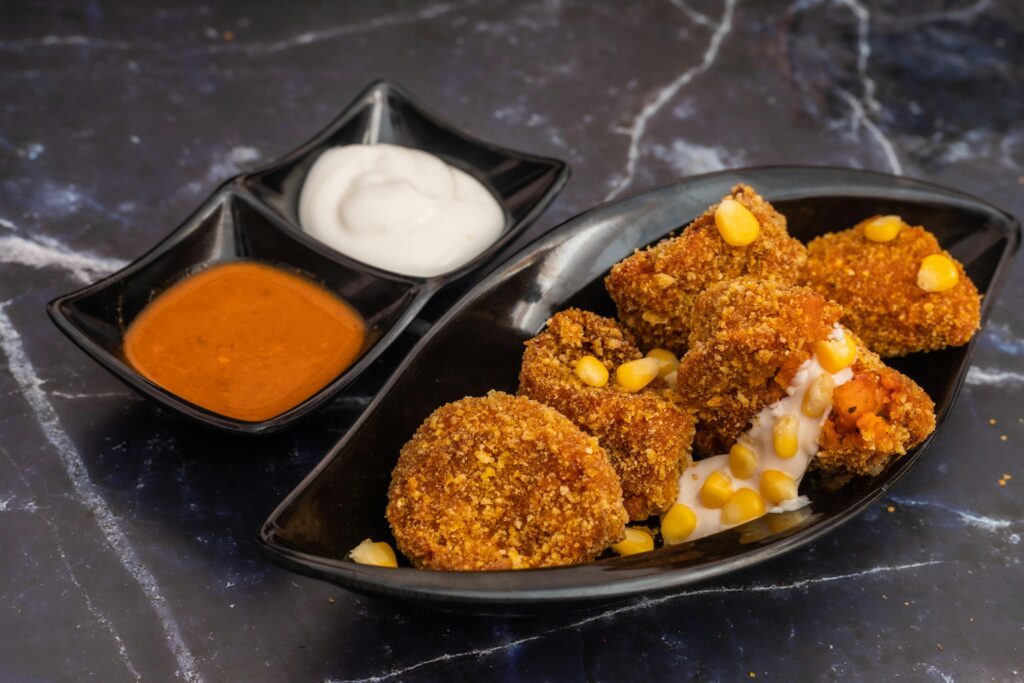
KURKURE MOMOS
Kurkure Momos are one of the most popular modern street foods in India. They are a crunchy and spicy variation of traditional momos, combining the soft dumpling style of Tibetan and Nepali cuisine with the crispy texture loved in Indian fast food culture. The word “kurkure” means crispy or crunchy in Hindi, perfectly describing the texture of these deep-fried momos. Over the past few years, kurkure momos have become extremely famous among students, young people, and street food lovers because of their bold flavors, crispy coating, and satisfying taste.
Traditional momos originated in Tibet and later became popular in Nepal, Bhutan, and parts of North-East India. They are steamed dumplings filled with vegetables, chicken, paneer, or meat. As momo culture spread to Indian cities like Delhi, Chandigarh, and Kolkata, street vendors began experimenting with different cooking styles and flavors. This creativity led to the invention of tandoori momos, fried momos, cheese momos, chocolate momos, and finally kurkure momos. Today, kurkure momos are one of the most demanded fusion street foods in India.
The main difference between regular momos and kurkure momos is the outer coating. Traditional momos have a soft steamed covering, while kurkure momos are coated with crushed cornflakes, breadcrumbs, crushed chips, or spicy crispy mixtures before being deep-fried. This gives them a crunchy outer layer while keeping the inside soft and juicy. The contrast between the crispy coating and flavorful filling makes the dish highly enjoyable.
Preparing kurkure momos involves several stages. First, the momo dough is prepared using refined flour, water, salt, and sometimes oil. The dough is kneaded until smooth and elastic. Next, the filling is made. Vegetable fillings often contain cabbage, carrots, onions, capsicum, garlic, ginger, and spring onions. Non-vegetarian versions may include chicken or minced meat mixed with spices and herbs. Paneer and cheese fillings are also common among vegetarians.
The filling ingredients are chopped finely and cooked lightly with soy sauce, black pepper, chili sauce, and other seasonings. Small portions of filling are placed inside thin dough circles, and the dough is folded carefully into dumpling shapes. These momos are first steamed until fully cooked. Steaming keeps the filling moist and soft.
After steaming, the momos are coated for frying. Vendors usually dip the steamed momos into a flour or cornflour batter and then roll them in crushed cornflakes, breadcrumbs, or spicy coating mixtures. Some stalls use crushed instant noodles or spicy chips to create extra crunch. The coated momos are then deep-fried in hot oil until golden brown and crispy.
Kurkure momos are generally served with spicy red chutney, mayonnaise, mint sauce, or schezwan dip. The spicy chutney is usually made from red chilies, garlic, tomatoes, and vinegar. This fiery dip balances the crunchy texture and rich flavor of the fried momos. Some vendors also add grated cheese, cream, butter, or spicy seasonings on top to make the dish more indulgent.
One reason kurkure momos became so popular is their strong appeal to younger generations. Indian street food culture constantly evolves through experimentation and fusion. Young customers often enjoy foods that combine traditional dishes with modern fast-food textures and flavors. Kurkure momos perfectly match this trend because they mix Asian dumplings with crispy fried snack culture.
Delhi is especially famous for kurkure momos. Street food markets, cafés, and roadside stalls across the city serve many different varieties. College areas and busy marketplaces often have momo stalls crowded with customers during evenings. The sizzling sound of frying, the spicy aroma, and the sight of golden crispy momos attract people instantly. Some food streets are so famous for momos that they have become tourist attractions for food lovers.
There are many variations of kurkure momos available today. Cheese kurkure momos contain melted cheese inside the filling. Paneer kurkure momos are popular among vegetarians who prefer Indian flavors. Chicken kurkure momos remain a favorite for non-vegetarian customers. Tandoori kurkure momos combine smoky tandoori flavor with crunchy coating. Some modern cafés even offer peri-peri momos, pizza momos, and Korean-style spicy momos.
Kurkure momos are also popular because they are easy to share. Friends often order plates of momos while socializing in cafés or street markets. They are commonly served at birthday parties, food festivals, and casual gatherings. Their bite-sized shape makes them convenient finger foods.
From a nutritional perspective, kurkure momos are considered more of a comfort food or indulgent snack than a healthy meal. The vegetable fillings provide some vitamins and fiber, while chicken or paneer fillings contribute protein. However, deep frying significantly increases fat and calorie content. Sauces and mayonnaise can also contain high amounts of sodium and fat. Health-conscious cooks sometimes prepare baked or air-fried versions to reduce oil usage.
Social media has played a major role in making kurkure momos famous across India. Food bloggers and influencers often post videos showing crunchy bites, melted cheese fillings, and spicy sauces. The crisp sound when biting into kurkure momos makes them especially appealing in short food videos. Many vendors create oversized momos or extra-cheesy versions specifically to attract online attention and customers.
Kurkure momos also represent the creativity of Indian street food culture. Indian street vendors are known for constantly inventing new fusion dishes by combining local and international influences. Similar examples include tandoori pasta, paneer burgers, Chinese bhel, and pizza dosa. Kurkure momos fit perfectly into this tradition because they transform a traditional Himalayan dumpling into a crispy Indian-style snack.
The dish has also influenced restaurant menus. Many cafés and quick-service restaurants now include premium momo platters with multiple sauces and toppings. Some restaurants even serve giant kurkure momos stuffed with noodles, cheese, or mixed fillings. This transformation from simple street food to trendy café item shows how popular the dish has become.
Making high-quality kurkure momos requires skill and balance. The coating should remain crispy without becoming too thick or oily. The filling should stay juicy and flavorful. Oil temperature is important because low heat can make the coating greasy, while very high heat may burn the outside before heating the inside properly. Experienced street vendors carefully control these factors to achieve perfect texture and flavor.
Overall, Kurkure Momos are much more than just a snack. They represent the evolution of modern Indian street food, where creativity and fusion produce exciting new dishes. With their crispy coating, juicy filling, spicy chutneys, and bold flavors, kurkure momos have become one of the most loved fast foods among young people in India. Whether enjoyed at a roadside stall, food festival, café, or home kitchen, they continue to attract food lovers who enjoy crunchy, spicy, and satisfying snacks.
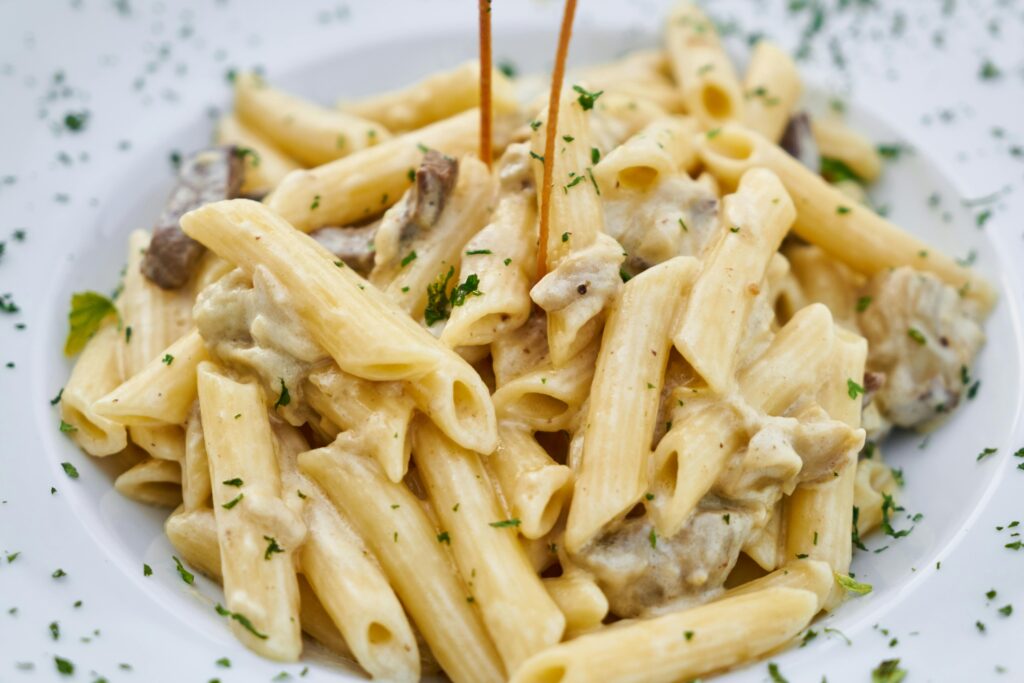
WHITE SOUCE PASTA
White Sauce Pasta is one of the most popular Italian-inspired dishes enjoyed around the world. It is known for its creamy texture, rich flavor, and comforting taste. White sauce pasta is made by combining cooked pasta with a smooth white sauce, usually prepared from butter, flour, and milk. The dish may also include vegetables, cheese, herbs, chicken, or seafood depending on personal preference. Because of its mild and creamy flavor, white sauce pasta is loved by children and adults alike.
The white sauce used in this pasta is traditionally called béchamel sauce, one of the five “mother sauces” in French cuisine. Béchamel sauce has been used in European cooking for centuries and forms the base for many creamy dishes such as lasagna, casseroles, and baked vegetables. Italian-style white sauce pasta became globally popular because it combines the richness of béchamel with the versatility of pasta. Over time, different countries adapted the recipe using local ingredients and flavors.
Pasta itself has a long and interesting history. Although pasta is strongly associated with Italy, historians believe that noodle-like foods existed in many ancient civilizations, including China and the Middle East. In Italy, pasta became a major part of cuisine because it was affordable, filling, and easy to store. Different regions of Italy developed unique pasta shapes and recipes. Today, pasta dishes are enjoyed worldwide in countless forms, including white sauce pasta.
There are many types of pasta used in white sauce pasta dishes. Penne, fusilli, macaroni, spaghetti, and fettuccine are among the most common choices. Each pasta shape affects the texture and eating experience differently. Penne and fusilli are especially popular because their shapes hold the creamy sauce well. Pasta is usually made from wheat flour and water, though some versions may include eggs or whole grains.
Preparing white sauce pasta involves two main components: cooking the pasta and making the white sauce. The pasta is boiled in salted water until it becomes tender but still slightly firm, a texture known as “al dente” in Italian cooking. Overcooking can make pasta soft and sticky, while undercooking makes it hard and chewy.
The white sauce is prepared separately. Butter is first melted in a pan, and flour is added to create a mixture called a roux. The flour is cooked gently so that its raw taste disappears. Milk is then added slowly while stirring continuously to prevent lumps from forming. As the sauce cooks, it thickens into a smooth and creamy consistency. Salt, black pepper, oregano, chili flakes, and cheese are often added for flavor.
Vegetables are commonly included in white sauce pasta. Bell peppers, sweet corn, mushrooms, broccoli, carrots, onions, and peas are popular choices. These vegetables add color, texture, and nutritional value. Some people also add grilled chicken, sausages, shrimp, or seafood to make the dish richer and more filling. Cheese such as mozzarella, parmesan, or cheddar is often mixed into the sauce to enhance creaminess and flavor.
Once the sauce and pasta are ready, they are combined together in a pan. The pasta is tossed gently so that every piece becomes coated with the creamy sauce. Herbs and seasonings are added according to taste. Some recipes also include garlic for extra aroma and flavor. The dish is usually served hot and garnished with herbs, cheese, or chili flakes.
One reason white sauce pasta is so popular is its versatility. It can be customized in many ways according to individual preferences. Some people prefer a mild and cheesy version, while others add spicy seasonings and herbs. Restaurants often create fusion versions with Indian spices, Mexican flavors, or Asian ingredients. In India, white sauce pasta has become especially popular in cafés, restaurants, and home kitchens because it combines international style with comfort food appeal.
White sauce pasta is also commonly served at parties, school events, cafés, and family dinners. It is considered a convenient dish because it can be prepared relatively quickly and satisfies both children and adults. In many households, it is one of the first international dishes learned by beginner cooks because the recipe is simple and flexible.
From a nutritional perspective, white sauce pasta provides carbohydrates from pasta, calcium from milk and cheese, and vitamins from vegetables. However, the dish can also be high in calories and fat because of butter, cream, and cheese. Health-conscious cooks often use whole wheat pasta, low-fat milk, or extra vegetables to make the dish healthier. Some people replace regular cream with healthier alternatives such as yogurt or plant-based milk.
White sauce pasta also reflects globalization in food culture. Originally rooted in European cooking traditions, the dish has been adapted worldwide into local cuisines. In India, for example, cooks often add chili flakes, green chilies, or Indian spices for stronger flavor. Street food vendors and cafés may include paneer, tandoori chicken, or spicy sauces. This ability to adapt makes white sauce pasta appealing to people from different cultures.
The creamy texture of white sauce pasta is one of its biggest attractions. The smooth sauce coats the pasta evenly, creating a rich and comforting mouthfeel. Cheese adds stretchiness and depth of flavor, while herbs and spices balance the richness. The combination of soft pasta, creamy sauce, and crunchy vegetables creates an enjoyable contrast in texture.
In recent years, social media and food blogging have increased the popularity of white sauce pasta even more. Videos showing melting cheese, creamy sauces, and colorful pasta dishes attract millions of viewers online. Restaurants now experiment with innovative versions such as baked white sauce pasta, spicy white sauce pasta, truffle pasta, and cheese-loaded pasta bowls. Many cafés also serve white sauce pasta with garlic bread and cold beverages as complete meal combinations.
Making perfect white sauce pasta requires attention to balance and technique. The sauce should be smooth and creamy without becoming too thick or watery. Continuous stirring is important while adding milk to avoid lumps. The pasta should also be cooked correctly so that it absorbs the sauce without losing texture. Professional chefs often reserve some pasta water because it helps adjust sauce consistency naturally.
White sauce pasta is often associated with comfort food because of its warm and rich qualities. Many people enjoy it during rainy weather, winter evenings, or relaxed family meals. The creamy flavor creates a sense of satisfaction and comfort, making it a favorite dish for many age groups.
Overall, White Sauce Pasta is much more than just a pasta recipe. It represents the blending of culinary traditions, creativity, and comfort in modern food culture. With its creamy texture, rich flavor, colorful vegetables, and endless variations, white sauce pasta continues to be one of the world’s most loved dishes. Whether served in a fine restaurant, a café, or a homemade kitchen, it remains a delicious and satisfying meal enjoyed by millions of people every day.
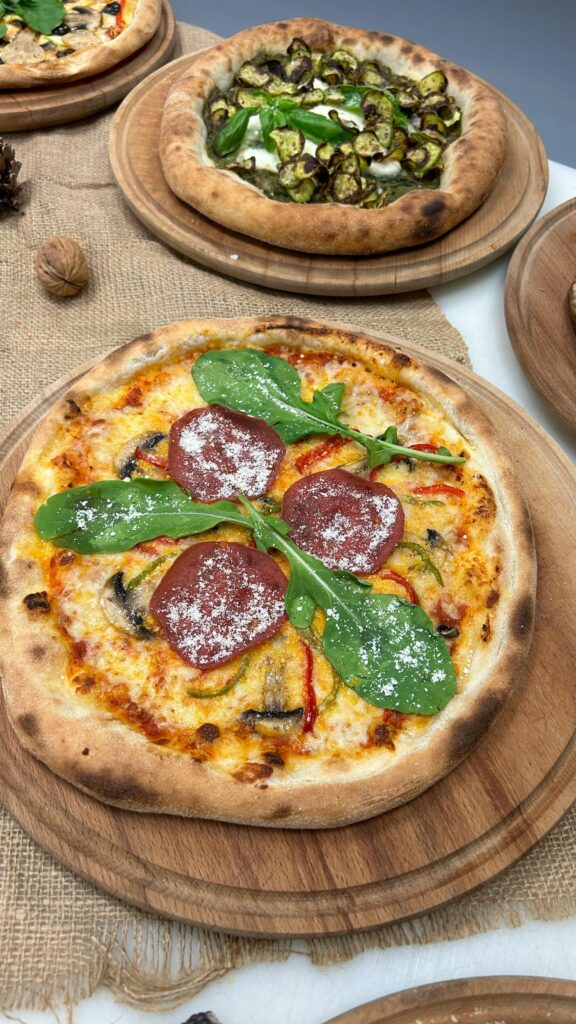
PIZZA
Pizza is one of the most famous and widely loved foods in the world. It is a dish made from a round, flattened base of dough that is topped with sauce, cheese, vegetables, meats, and various seasonings, then baked at a high temperature. Pizza is known for its delicious combination of crispy crust, soft interior, melted cheese, and flavorful toppings. It is enjoyed by people of all ages and has become a global comfort food that appears in restaurants, street shops, and home kitchens across almost every country.
The origin of pizza can be traced back to Italy, especially the city of Naples. Early forms of flatbreads with toppings existed in ancient civilizations such as Egypt, Greece, and Rome, but modern pizza developed in Italy during the 18th and 19th centuries. Poor families in Naples used simple ingredients like dough, tomatoes, garlic, oil, and herbs to create inexpensive meals. When tomatoes were introduced to Europe from the Americas, they became an essential ingredient in Italian cooking, and eventually the base of pizza sauce.
One of the most famous early pizzas is the “Margherita pizza,” named after Queen Margherita of Savoy in the 19th century. It is said that a Neapolitan chef created a pizza using tomatoes, mozzarella cheese, and basil to represent the colors of the Italian flag—red, white, and green. This simple combination became extremely popular and is still one of the most classic pizza styles today. Over time, pizza spread from Italy to the United States and then to the rest of the world through immigration and globalization.
The foundation of pizza is its dough. Pizza dough is usually made from wheat flour, water, yeast, salt, and sometimes olive oil. Yeast plays a very important role because it helps the dough rise and become soft and airy. The dough is kneaded until it becomes elastic and smooth, then left to rest so fermentation can occur. This resting period allows air bubbles to form, giving pizza its light texture. After fermentation, the dough is shaped into a round base by hand or rolling.
The next important component is the sauce. Traditional pizza sauce is made from tomatoes that are crushed or blended and seasoned with salt, oregano, garlic, and olive oil. Some sauces are cooked, while others are used fresh. The sauce adds moisture, acidity, and flavor to the pizza. It also balances the richness of cheese and toppings. In modern variations, different sauces such as barbecue sauce, white sauce, pesto, or spicy sauces are also used.
Cheese is one of the most essential ingredients in pizza. Mozzarella cheese is the most commonly used because it melts smoothly and creates a stretchy texture when hot. Other cheeses like cheddar, parmesan, provolone, and gouda may also be added for stronger flavor. The melting of cheese during baking is one of the most satisfying features of pizza, creating a golden, creamy layer over the toppings.
Pizza toppings vary widely depending on culture, preference, and creativity. Common vegetable toppings include onions, capsicum, mushrooms, olives, tomatoes, corn, and spinach. Meat toppings include pepperoni, chicken, sausage, ham, and bacon. In vegetarian regions like India, paneer (Indian cottage cheese), spicy sauces, and local vegetables are widely used. Some pizzas also include seafood like shrimp or tuna. The combination of toppings allows endless variations, making pizza highly customizable.
Once the dough is prepared and topped with sauce, cheese, and ingredients, it is baked in an oven at high temperature. Traditional pizzas are baked in wood-fired ovens that can reach very high heat, giving the crust a smoky flavor and slightly charred texture. Modern ovens and pizza machines also produce excellent results. Baking melts the cheese, cooks the toppings, and transforms the dough into a golden crust with crispy edges and a soft center.
There are many types of pizza that have developed across the world. Thin crust pizza has a crisp and crunchy base, while thick crust or deep-dish pizza has a soft, bread-like texture with heavy toppings. Stuffed crust pizza contains cheese inside the edges of the dough. Pan pizza is baked in a thick pan and has a soft, oily crust. Neapolitan pizza is the traditional Italian style with simple toppings and a soft, slightly charred base. New York-style pizza is known for its large, foldable slices, while Chicago deep-dish pizza is famous for its thick layers of cheese and sauce.
Pizza has also evolved into many fusion styles. In India, spicy paneer pizza, tandoori chicken pizza, and tikka masala pizza are popular. In Japan, pizzas may include mayonnaise, seafood, or sweet corn. In Korea, sweet potato crust pizzas are common. In the United States, extravagant pizzas with stuffed crusts, extra cheese, and multiple toppings are widely available. This adaptability has helped pizza become a truly global food.
Pizza is also popular because of its convenience. It can be eaten as a quick meal, shared among friends, or served at parties and celebrations. Fast-food chains and delivery services have made pizza easily accessible. Frozen pizzas allow people to prepare it at home quickly by baking it in an oven. This convenience has made pizza one of the most widely consumed fast foods in the world.
From a nutritional perspective, pizza can provide carbohydrates, protein, calcium, and vitamins depending on the ingredients used. The dough provides energy from carbohydrates, cheese provides protein and calcium, and vegetables add vitamins and fiber. However, pizza can also be high in calories, fat, and sodium, especially when it includes processed meats, extra cheese, or thick crusts. Healthier versions can be made using whole wheat dough, less cheese, and more vegetables.
Pizza also plays a strong cultural role in modern society. It is often associated with social gatherings, movie nights, birthdays, and celebrations. Sharing a pizza is seen as a friendly and casual experience. In many countries, pizza has become part of everyday eating habits rather than just a special dish. It is also widely featured in media, advertisements, and popular culture.
In recent years, pizza has become even more innovative due to food trends and social media. Viral pizzas with unusual toppings like chocolate, fruit, or extreme cheese pulls attract attention online. Restaurants compete to create unique and visually appealing pizzas. Gourmet pizzas with high-quality ingredients like truffle oil, artisanal cheese, and fresh herbs have also become popular in fine dining.
Making pizza at home has also become a popular hobby. Many people enjoy preparing dough from scratch, choosing toppings, and experimenting with flavors. Homemade pizza allows full control over ingredients and taste. It also brings families together in the cooking process.
Overall, Pizza is much more than just a simple meal. It represents history, creativity, and global food culture. From its humble beginnings in Italy to its worldwide popularity today, pizza has evolved into one of the most beloved foods in human history. Its combination of crispy crust, flavorful sauce, melted cheese, and endless topping possibilities ensures that pizza will continue to be enjoyed by generations to come.
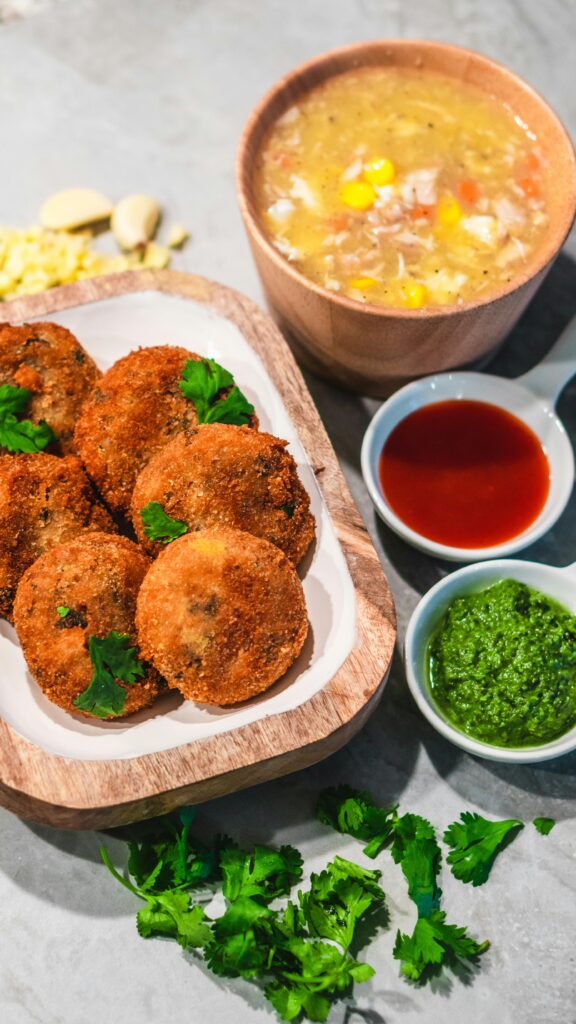
ALOO TIKKI
Aloo Tikki is one of the most popular and widely loved street foods in India. It is a crispy, spiced potato patty that is shallow-fried or deep-fried until golden brown on the outside and soft on the inside. “Aloo” means potato in Hindi, and “tikki” means a small cutlet or patty. Together, aloo tikki represents a simple but flavorful snack that is enjoyed across homes, streets, restaurants, and food stalls, especially in North India.
The origin of aloo tikki is closely connected to Indian home cooking and street food culture. Potatoes were introduced to India by the Portuguese in the early colonial period and gradually became a staple ingredient in Indian cuisine. Because potatoes are affordable, filling, and easy to cook, they became the base for many dishes. Aloo tikki likely evolved as a creative way to use mashed potatoes mixed with spices and shallow-fried for a crispy texture. Over time, it became a famous street snack, especially in cities like Delhi, Lucknow, Kanpur, and Mumbai.
The main ingredient of aloo tikki is boiled potatoes. The potatoes are mashed and mixed with various spices and ingredients to create a flavorful dough-like mixture. Common spices include salt, red chili powder, cumin powder, coriander powder, garam masala, and black pepper. Some recipes also include ginger, green chilies, and fresh coriander leaves for extra aroma. To improve texture and binding, ingredients like cornflour, breadcrumbs, or arrowroot powder are often added.
In many versions, aloo tikki also contains stuffing. The most common stuffing is made from spiced peas (matar), chana dal, or lentils. This stuffed version is very popular in North Indian street food, especially in Delhi-style aloo tikki chaat. The stuffing adds a surprise element inside the crispy patty, making each bite more flavorful and interesting. Some modern variations also include cheese, paneer, or dry fruits for richer taste.
Preparing aloo tikki involves several steps. First, potatoes are boiled until soft and then peeled and mashed thoroughly. The mashed potatoes are mixed with spices and binding agents to form a smooth mixture. Small portions of this mixture are taken and shaped into round or flattened discs. If stuffing is used, a small portion of filling is placed inside the potato mixture and sealed properly before shaping.
After shaping, the tikkis are cooked. They are usually shallow-fried on a hot pan with oil or ghee until they turn golden brown and crispy on both sides. Some vendors deep-fry them for extra crispiness, while health-conscious versions may be air-fried or baked. The key to a good aloo tikki is achieving a crispy outer layer while keeping the inside soft and flavorful.
Aloo tikki is rarely eaten alone in street food culture. It is often served with various accompaniments that enhance its taste. One of the most popular forms is aloo tikki chaat, where the crispy tikki is topped with yogurt, tamarind chutney, mint chutney, chopped onions, coriander, sev (crispy noodles), and chaat masala. The combination of sweet, spicy, tangy, and crunchy elements makes it extremely flavorful and addictive.
Another popular serving style is aloo tikki burger, which is widely sold by fast-food chains like McDonald’s in India. In this version, the aloo tikki is placed inside a bun with lettuce, sauces, and vegetables, creating an Indian-style burger. This fusion dish shows how traditional Indian snacks can be adapted into global fast food formats.
Aloo tikki is also popular because it is affordable and filling. It is commonly found at roadside stalls, markets, railway stations, school canteens, and fairs. Street vendors prepare it fresh on large iron pans, often in front of customers. The sizzling sound of frying tikkis and the smell of spices attract people from a distance. It is especially popular in the evening as a snack with tea or soft drinks.
From a nutritional perspective, aloo tikki provides carbohydrates from potatoes, which give energy. It may also contain small amounts of protein and fiber depending on stuffing ingredients like peas or lentils. However, since it is usually fried, it can be high in calories and fat. Healthier versions can be made by baking or air-frying and using minimal oil. Adding more vegetables or using less starch can also improve its nutritional value.
Aloo tikki has many regional and modern variations. In Delhi, it is often served as spicy chaat with chutneys and curd. In some parts of India, it is stuffed with paneer or dry fruits for festive occasions. In restaurants, chefs experiment with fusion versions like cheese aloo tikki, Mexican-style tikki, or peri-peri flavored tikki. Despite these variations, the classic version remains the most popular.
One of the reasons aloo tikki is so loved is its balance of textures and flavors. The crispy outer crust contrasts beautifully with the soft mashed potato inside. The spices add heat and aroma, while chutneys add sweetness and tanginess when served as chaat. This combination creates a satisfying eating experience that appeals to a wide range of taste preferences.
Aloo tikki also plays an important role in Indian street food culture. It is often part of chaat stalls that offer a variety of snacks such as golgappa, papdi chaat, and dahi bhalla. These stalls are social gathering points where people enjoy food together in a lively atmosphere. Aloo tikki is often one of the most ordered items because of its universal appeal.
In recent years, social media has made aloo tikki even more popular. Food bloggers and street food videos show crispy frying, melting textures, and colorful chaat toppings. These visuals attract viewers and encourage them to try the dish. Many restaurants now present aloo tikki in modern plating styles to appeal to younger customers.
Making perfect aloo tikki requires skill and balance. If the potato mixture is too soft, the tikki may break while frying. If it is too dry, it may become hard. Proper seasoning is also important to avoid bland taste. The oil temperature must be controlled so that the tikki becomes crispy without burning.
Overall, Aloo Tikki is more than just a simple potato patty. It represents the creativity and richness of Indian street food culture. With its crispy texture, spicy flavor, and endless variations, aloo tikki continues to be a favorite snack for people of all ages. Whether enjoyed as chaat, a burger, or a simple fried snack, it remains a timeless and comforting dish in Indian cuisine.
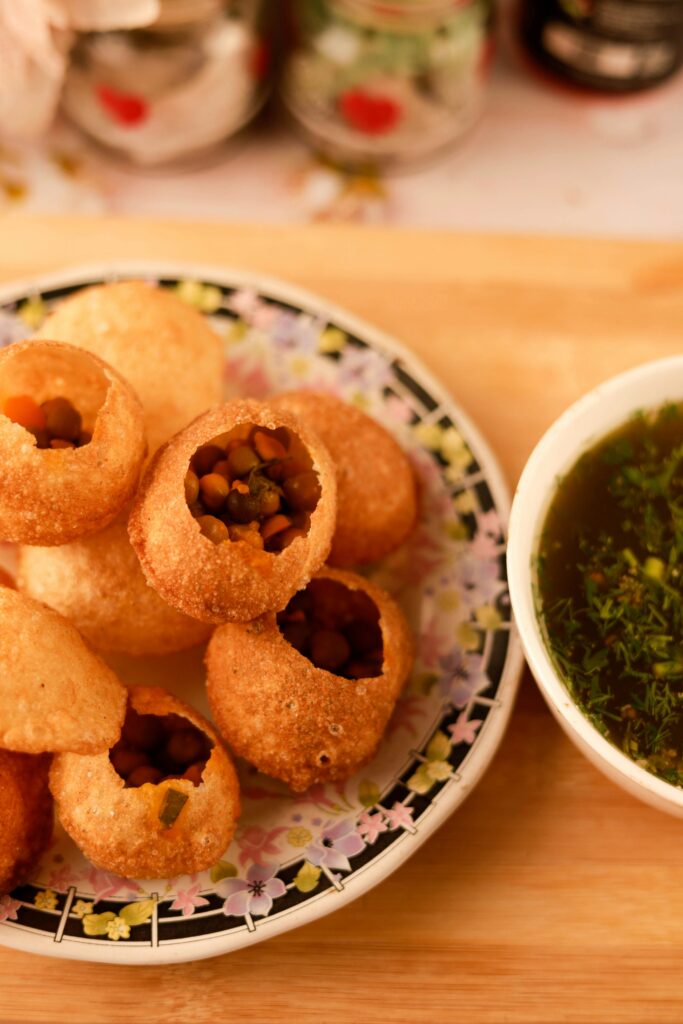
GOLGAPPE
Golgappa is one of the most iconic and loved street foods in India. It is a small, hollow, crispy ball filled with spicy, tangy water, mashed potatoes, chickpeas, and various chutneys. Known by different names across India—such as pani puri in Maharashtra, phuchka in Bengal, and puchka in parts of North India—golgappa is more than just a snack; it is an experience of flavors, textures, and fun eating culture.
The origin of golgappa is not very clearly documented, but many food historians believe it evolved from ancient Indian culinary traditions involving fried dough and flavored waters. Some stories also connect it to the Mahabharata era, where Draupadi is said to have created a similar snack to feed her family. While this may be a legend, it shows how deeply rooted the concept of golgappa-like food is in Indian culture. Over time, different regions of India developed their own versions, leading to the modern golgappa we know today.
The main component of Golgappa is the puri, a small round shell made from semolina (sooji) or wheat flour. The dough is rolled into small circles and deep-fried at high temperature. As they fry, they puff up into hollow, crispy balls. These puris are extremely light, crunchy, and fragile, which makes them perfect for filling with liquid and soft ingredients.
The second most important element is the filling. The most common filling is mashed potatoes mixed with spices like cumin, black salt, chili powder, and chaat masala. Some versions also include boiled chickpeas, sprouted moong, or onions. In many regions, vendors add tamarind chutney or mint chutney to enhance the flavor. The filling is usually mildly spiced so that it balances the strong, tangy water.
The most defining feature of golgappa is the flavored water, known as “pani.” This water is what gives golgappa its signature taste. It is usually made with mint leaves, coriander leaves, green chilies, tamarind, lemon juice, black salt, cumin, and sometimes ginger. The mixture is blended and diluted with chilled water. The result is a refreshing, spicy, tangy liquid that bursts with flavor when eaten.
Eating golgappa is a unique experience. The puri is gently cracked at the top, filled with potato mixture, dipped into the flavored water, and eaten whole in one bite. The explosion of flavors—crispy shell, soft filling, and spicy water—creates a sensation that is both refreshing and exciting. Many people enjoy the challenge of eating multiple golgappas quickly, especially in street food competitions or friendly group outings.
Golgappa is extremely popular across India, especially in urban and semi-urban areas. Street vendors selling golgappa are found in almost every market, school area, park, and busy street corner. In the evenings, it is common to see long queues of people waiting for their turn. Vendors often prepare puris fresh or store them in large containers to keep them crisp.
One reason golgappa is so popular is its affordability. It is inexpensive, which makes it accessible to people from all economic backgrounds. Another reason is its variety. Different regions of India have developed unique styles of golgappa. In Delhi and North India, golgappa is usually spicy and served with aloo filling and spicy mint water. In Mumbai, it is known as pani puri and often includes sweet tamarind water along with spicy water. In Bengal, phuchka is more tangy and uses a spiced mashed potato filling with black salt and lemon. In South India, similar snacks may include flavored water with regional spices.
Golgappa is not just food; it is also a social activity. People often eat it in groups, taking turns and enjoying the reactions of others as they eat the spicy water-filled puris. Street vendors sometimes engage customers by increasing spice levels or creating fun challenges like eating the most golgappas in a minute. This interactive nature makes it more than just a snack—it becomes entertainment.
From a nutritional perspective, golgappa is relatively light in calories per piece, but the overall health value depends on the preparation. The puris are deep-fried, which adds fat. The fillings like potatoes and chickpeas provide carbohydrates and some protein. The water made from herbs like mint and coriander can be refreshing and aid digestion. However, excessive consumption of spicy and salty water may not be suitable for everyone.
In recent years, golgappa has also evolved into modern fusion dishes. Some vendors offer chocolate golgappa, dahi golgappa (filled with yogurt), masala soda golgappa, and even vodka golgappa in experimental food scenes. Restaurants and cafés have started presenting gourmet versions with artistic plating and multiple flavored waters served in shot glasses. These innovations show how traditional street food continues to adapt to modern tastes.
Social media has also played a big role in increasing the popularity of golgappa. Videos showing spicy challenges, water explosions, and satisfied reactions often go viral. Food bloggers frequently review famous golgappa stalls, highlighting unique flavors and secret recipes. This digital exposure has made golgappa famous even among international audiences.
Making perfect golgappa requires precision. The puris must be perfectly puffed and crispy; otherwise, they will break when filled. The water must have the right balance of spice, tanginess, and freshness. The filling must not be too watery or too dry. A good golgappa experience depends on harmony between all these components.
Overall, Golgappa is much more than just a snack. It represents joy, excitement, and the rich diversity of Indian street food culture. With its crispy puris, flavorful fillings, and spicy tangy water, golgappa delivers a burst of taste in every bite. Whether enjoyed on a busy street corner, at a festival, or with friends, it remains one of the most loved and unforgettable foods in India.
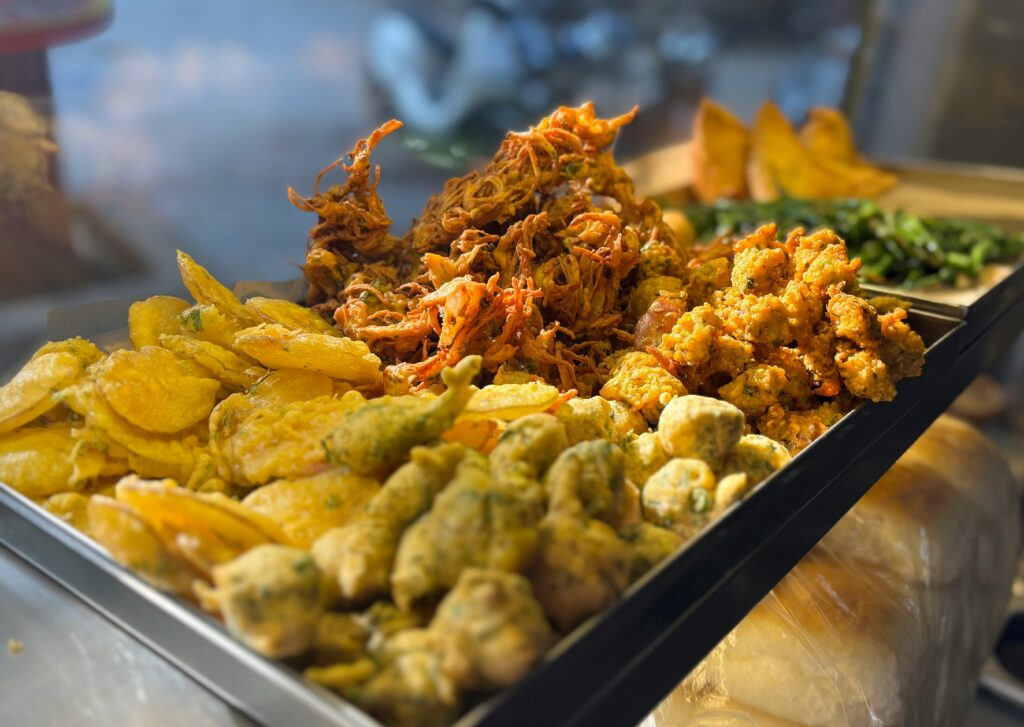
BREAD-PAKODE
Pakora (commonly called pakode in Hindi) is one of the most beloved snacks in Indian cuisine. It is a deep-fried fritter made by coating vegetables, paneer, or sometimes meat in a seasoned gram flour (besan) batter and frying them until crispy and golden brown. Pakoras are especially popular during rainy weather, winter evenings, tea-time gatherings, festivals, and street food outings. They are simple to make, inexpensive, and full of flavor, which is why they are enjoyed across all parts of India and even in neighboring countries like Pakistan and Bangladesh.
The origin of Pakora is deeply rooted in Indian home cooking traditions. Gram flour, made from ground chickpeas, has been used in Indian kitchens for centuries. It is rich in protein, gluten-free, and versatile, making it ideal for creating batters and coatings. The idea of frying vegetables coated in seasoned flour likely developed naturally in Indian households as a way to create quick, filling snacks using available ingredients. Over time, pakoras became a staple street food as vendors began selling them fresh and hot on roadside stalls.
The basic ingredient in pakoras is besan (gram flour). The batter is prepared by mixing besan with water and spices to form a thick coating. Common spices include salt, red chili powder, turmeric, cumin, coriander powder, ajwain (carom seeds), and black pepper. These spices give pakoras their signature aroma and taste. Some people also add chopped green chilies, ginger, garlic, or fresh coriander leaves to enhance flavor. A small amount of rice flour is sometimes added to make the pakoras extra crispy.
Pakoras can be made using a wide variety of ingredients. The most common type is onion pakora, where sliced onions are mixed with batter and fried. Potato pakoras are also very popular, where thin slices or cubes of potatoes are coated and deep-fried. Other vegetables used include spinach leaves (palak pakora), cauliflower (gobhi pakora), chili peppers (mirchi pakora), eggplant (baingan pakora), and capsicum. Paneer pakoras are a rich variation made with Indian cottage cheese, while bread pakoras are stuffed with spiced potato filling and dipped in batter before frying.
The preparation of pakoras is simple but requires care. First, the chosen ingredient is cut into slices or pieces. The besan batter is prepared separately by mixing gram flour, spices, and water until it reaches a thick consistency that can coat the ingredients evenly. The oil is heated in a deep pan. The vegetable pieces are dipped into the batter and gently dropped into the hot oil. They are fried until they turn golden brown and crispy on the outside.
The texture of a perfect pakora is extremely important. It should be crispy on the outside but soft and tender inside. The batter should not be too thick, or it will form heavy layers, and not too thin, or it will not stick properly. The oil temperature must be medium-high so that the pakoras cook evenly without absorbing too much oil.
Pakora is usually served with chutneys and sauces. The most common accompaniment is mint-coriander chutney, which is fresh, green, and slightly spicy. Tamarind chutney is another popular choice because it adds sweetness and tanginess. Some people also enjoy pakoras with ketchup or yogurt-based dips. In many households, pakoras are served with hot tea (chai), making it a classic Indian snack combination known as “chai-pakora.”
One of the reasons pakoras are so popular is their connection with weather and emotions. In India, rainy days are strongly associated with eating hot pakoras with tea. The aroma of frying pakoras during rainfall is considered comforting and nostalgic. Similarly, during winter evenings, families often prepare pakoras as a warm, crispy snack. This emotional connection makes pakoras more than just food—they become part of cultural memory and tradition.
Street vendors also play a major role in the popularity of pakoras. In markets, railway stations, and busy streets, pakora stalls attract customers with the sound and smell of frying batter. Vendors often prepare large batches quickly and serve them hot in paper cones or plates. The affordability and freshness of street pakoras make them widely accessible to people from all backgrounds.
Pakoras also have many regional variations across India. In North India, onion and potato pakoras are most common. In Maharashtra, pakoras are often spicier and paired with fried green chilies. In South India, similar fritters are known as “bajji” and are made using banana peppers, plantains, or onions. In Bengal, pakoras are often part of evening snacks served with tea and sweets. Each region adds its own spices and techniques, making pakoras a diverse and flexible dish.
From a nutritional perspective, pakoras are rich in carbohydrates and fats due to the deep-frying process. Gram flour provides protein and some fiber, while vegetables add vitamins and minerals. However, because they are fried, pakoras are considered an occasional snack rather than a daily food. Healthier versions can be made using air fryers, ovens, or shallow frying methods to reduce oil content.
In recent years, pakoras have also become part of fusion cooking. Restaurants experiment with cheese pakoras, noodles pakoras, paneer stuffed pakoras, and even chocolate pakoras. These modern versions aim to attract younger audiences and add novelty to traditional recipes. Despite these innovations, classic onion and potato pakoras remain the most popular.
Social media has further increased the popularity of pakoras. Food videos showing crispy frying, crunchy bites, and rainy-day scenes often go viral. Many food bloggers review famous pakora stalls in different cities, highlighting unique flavors and techniques. This online attention has helped pakoras gain international recognition as a symbol of Indian street food.
Making good pakoras requires balance and attention. The batter consistency must be correct, the oil temperature must be controlled, and the ingredients must be fresh. Overcooking can make pakoras hard, while undercooking can make them soggy. Skilled cooks know how to achieve the perfect golden color and crisp texture every time.
Overall, Pakora is much more than a simple fried snack. It represents comfort, tradition, and the richness of Indian home and street food culture. With its crispy texture, spicy flavor, and endless variations, pakoras continue to be a favorite snack for people of all ages. Whether enjoyed during rain, at tea time, or at festive gatherings, pakoras remain a timeless and comforting part of Indian cuisine.
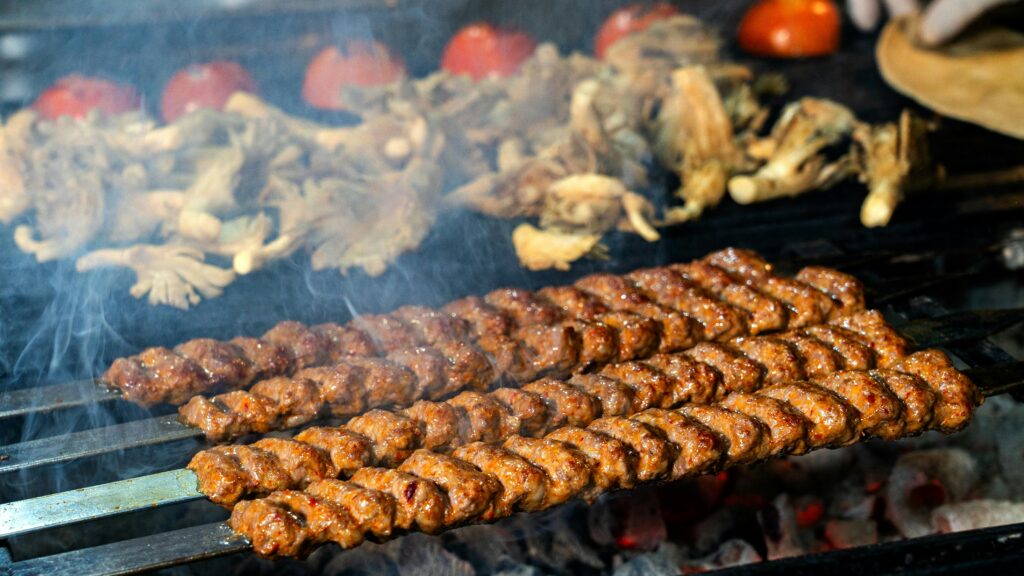
KABAB
Kebab is a famous and widely loved dish that originated in the Middle East and Central Asia and later spread across the world, especially into South Asia, the Mediterranean region, and parts of Europe. It generally refers to pieces of meat, vegetables, or minced mixtures that are seasoned with spices and cooked using grilling, roasting, or frying methods. Kebabs are known for their smoky aroma, juicy texture, and rich blend of spices. Over time, different cultures have created many variations of kebabs, making it one of the most diverse and popular food categories in global cuisine.
The history of Kebab dates back many centuries. The word “kebab” is believed to have originated from the Arabic word “kabāb,” meaning “to roast” or “to grill.” Early kebabs were prepared by soldiers and travelers who cooked pieces of meat over open flames using skewers. This simple cooking method was practical because it required minimal equipment and preserved the natural flavor of the meat. As trade routes expanded, especially during the Mughal and Ottoman empires, kebabs spread widely and became refined in royal kitchens.
In South Asia, kebabs became an essential part of Mughlai cuisine. Mughal emperors introduced rich cooking techniques that combined Persian, Turkish, and Indian flavors. As a result, kebabs in India became more aromatic and spicy, using ingredients like yogurt, garlic, ginger, and a variety of ground spices. Cities like Lucknow, Delhi, Hyderabad, and Kolkata became famous for their unique kebab styles, many of which are still popular today.
There are many types of kebabs, each with its own preparation method and flavor profile. One of the most famous is shish kebab, where chunks of meat are skewered and grilled over charcoal or open flame. Another popular type is seekh kebab, made from minced meat mixed with spices and shaped around skewers before grilling. Shami kebab is a soft, pan-fried version made from ground meat and lentils. Galouti kebab, originating from Lucknow, is extremely tender and almost melts in the mouth due to its finely minced texture and special spice blend.
Vegetarian versions of kebabs have also become very popular, especially in India. Paneer kebabs, made from Indian cottage cheese, are marinated in spices and grilled or cooked in a tandoor. Vegetable kebabs may include ingredients like potatoes, peas, carrots, capsicum, and corn. Soy-based kebabs and mushroom kebabs are also widely enjoyed by vegetarians looking for protein-rich alternatives.
The preparation of Kebab usually begins with marination. Meat or vegetables are soaked in a mixture of spices, yogurt, oil, and herbs for several hours. This process helps tenderize the ingredients and infuse them with flavor. Common spices used in kebab marinades include cumin, coriander, turmeric, chili powder, garam masala, black pepper, and cardamom. Garlic and ginger paste are also essential for enhancing aroma and taste.
After marination, kebabs are cooked using different methods depending on the style. Traditional kebabs are grilled over charcoal, which gives them a smoky flavor and slightly charred texture. In India, many kebabs are cooked in a tandoor, a clay oven that uses intense heat to cook food quickly while retaining moisture. Some kebabs are shallow-fried or pan-fried, especially softer varieties like shami kebabs.
The texture of a good kebab is very important. It should be juicy inside while having a slightly crispy or charred exterior. Overcooking can make kebabs dry, while undercooking can leave them raw inside. Skilled chefs carefully control heat and timing to achieve the perfect balance.
Kebabs are usually served with accompaniments that enhance their flavor. Common sides include mint chutney, onion rings, lemon wedges, and pickled vegetables. In many regions, kebabs are served with naan, roti, or rice. In Middle Eastern cuisine, they are often paired with pita bread and yogurt-based sauces like tzatziki. In India, kebabs are also served as starters or snacks in restaurants and street food stalls.
One of the reasons Kebab is so popular is its rich and smoky flavor. The combination of spices, grilling technique, and marination creates a deep and satisfying taste. Kebabs are also highly versatile, as they can be made from different types of meat such as chicken, lamb, beef, goat, and fish, as well as vegetarian ingredients.
In India, kebabs hold a special place in culinary culture. Cities like Lucknow are famous for their royal kebabs, especially Galouti and Kakori kebabs, which were originally prepared for royal Nawabs who had difficulty chewing regular meat dishes. Hyderabad is known for spicy and flavorful kebabs influenced by South Indian spices. Delhi’s street food culture also features many kebab stalls serving grilled chicken, seekh kebabs, and rolls.
Kebabs are often enjoyed during celebrations, festivals, and social gatherings. They are a popular choice for weddings, parties, and restaurant menus. Street vendors also sell kebabs fresh off the grill, attracting customers with their smoky aroma and sizzling sound. The experience of watching kebabs being cooked over fire is part of their appeal.
From a nutritional perspective, kebabs can be a good source of protein, especially when made with lean meat or plant-based ingredients. However, the health value depends on the cooking method. Grilled kebabs are generally healthier than fried ones because they contain less oil. The use of spices also provides some health benefits, such as aiding digestion and improving metabolism.
In recent years, kebabs have also evolved into fusion dishes. Restaurants experiment with cheesy kebabs, peri-peri kebabs, Korean-style spicy kebabs, and kebab rolls. These modern variations attract younger customers while preserving traditional cooking methods. Social media has also increased the popularity of kebabs, with videos showing juicy grilling, smoky flames, and tender textures going viral.
Overall, Kebab is more than just a dish—it is a global culinary tradition that represents history, culture, and innovation. From ancient grill cooking to modern restaurant menus, kebabs have evolved while maintaining their essential identity: flavorful, smoky, and satisfying food cooked over fire. Whether enjoyed as street food, fine dining, or homemade meals, kebabs continue to be one of the most beloved dishes in the world.
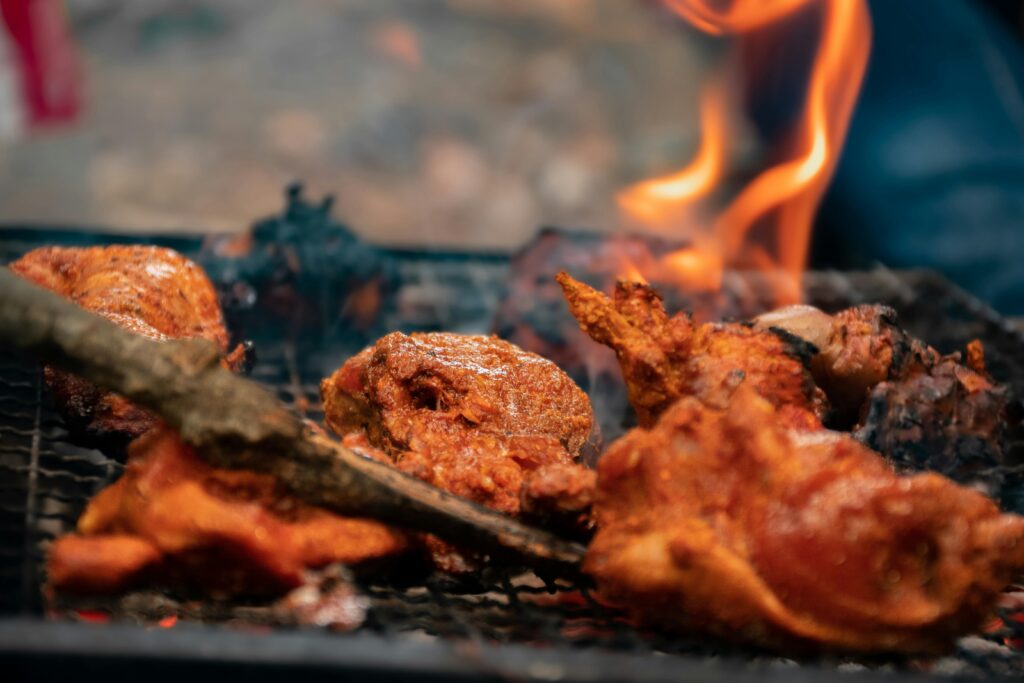
CHICKEN-TANDOORI
Chicken Tandoori is one of the most famous and iconic dishes in Indian cuisine. It is a flavorful, smoky, and spicy chicken preparation that is cooked in a traditional clay oven called a tandoor. Known for its bright red color, juicy texture, and charred aroma, tandoori chicken is loved not only in India but all around the world. It is often served as a starter, party dish, or main course along with naan, roti, or rice.
The origin of Chicken Tandoori is linked to the Mughal culinary tradition, but its modern form became popular in the Punjab region of India during the 20th century. The dish was made famous by Kundan Lal Gujral, who is credited with popularizing tandoori cooking at the restaurant Moti Mahal in Delhi. After India’s independence, tandoori chicken became widely known and quickly spread across restaurants worldwide. Today, it is considered a symbol of Indian grilled cuisine.
The main ingredient in tandoori chicken is, of course, chicken. Usually, bone-in chicken pieces are preferred because they remain juicy and flavorful during high-heat cooking. The chicken is first cleaned and then cut into pieces so that the marinade can penetrate deeply into the meat. Sometimes, shallow cuts are made on the surface to help absorb spices better.
The most important part of Chicken Tandoori is its marinade. The chicken is soaked in a mixture of yogurt, spices, and herbs for several hours or even overnight. Yogurt plays a key role because it tenderizes the meat and helps the spices stick to it. The marinade typically includes ingredients like red chili powder, turmeric, cumin, coriander powder, garam masala, black pepper, ginger-garlic paste, lemon juice, and salt. Some recipes also include mustard oil or butter for extra richness.
One of the most noticeable features of tandoori chicken is its bright red or orange color. Traditionally, this color came from natural spices like Kashmiri red chili powder. In modern cooking, some restaurants use food coloring to enhance the appearance, but authentic versions rely mainly on spices for color and flavor.
After marination, the chicken is cooked in a tandoor, which is a cylindrical clay oven heated with charcoal or wood fire. The temperature inside a tandoor is extremely high, often reaching 400–500°C. The chicken is skewered on long metal rods and placed inside the oven. The intense heat cooks the chicken quickly while sealing in juices, creating a smoky, charred outer layer and a tender, juicy interior.
The smoky flavor is one of the most important characteristics of Chicken Tandoori. This flavor comes from the fat and marinade dripping onto hot charcoal inside the tandoor, which produces smoke that circulates around the chicken. This natural smoking process gives tandoori chicken its signature taste that is difficult to replicate in regular ovens.
Tandoori chicken is often served with onion rings, lemon wedges, and green chutney made from mint and coriander. The lemon juice adds freshness, while the chutney provides a cooling contrast to the spicy chicken. It is also commonly paired with naan, butter roti, or rice dishes like biryani or pulao.
There are many variations of tandoori chicken. One popular version is butter chicken, which is made by taking leftover tandoori chicken and cooking it in a rich tomato and cream sauce. Another variation is tandoori chicken tikka, where boneless chicken pieces are used instead of whole pieces. There are also spicy versions like afghani chicken and peri-peri tandoori chicken, which cater to different taste preferences.
In India, Chicken Tandoori is extremely popular in restaurants, street stalls, and dhabas (roadside eateries). It is often served during celebrations, weddings, and special occasions. The dish is also a favorite in barbecue parties, where chicken is grilled over open flames instead of a tandoor.
From a nutritional perspective, tandoori chicken is considered healthier than many fried chicken dishes because it is grilled rather than deep-fried. It is high in protein, which helps in muscle building and body repair. The yogurt marinade also adds some probiotics and calcium. However, depending on preparation, the dish can sometimes contain added fats or salt, especially in restaurant versions.
The popularity of tandoori chicken has spread globally, and it is now found in restaurants across Europe, the Middle East, the United States, and Asia. Many international chefs have adapted the recipe to suit local tastes while maintaining its smoky essence. It is often featured in Indian fusion dishes, wraps, sandwiches, and salads.
Social media and food culture have also played a big role in promoting tandoori chicken. Videos showing glowing red chicken sizzling in a tandoor or grill are very popular online. Food bloggers often highlight its smoky aroma, juicy texture, and dramatic presentation, which makes it visually appealing as well as delicious.
Making perfect tandoori chicken requires skill and timing. The marination time must be long enough for flavors to develop deeply. The heat must be very high to achieve proper charring without drying out the meat. If overcooked, the chicken becomes dry; if undercooked, it remains raw inside. Experienced chefs carefully monitor the cooking process to maintain balance.
Overall, Chicken Tandoori is more than just a grilled chicken recipe. It is a cultural icon that represents Indian culinary tradition, innovation, and bold flavors. With its smoky aroma, spicy marinade, juicy texture, and vibrant color, it continues to be one of the most loved dishes in the world. Whether served in a fine dining restaurant, roadside dhaba, or home kitchen, tandoori chicken remains a timeless and unforgettable food experience.
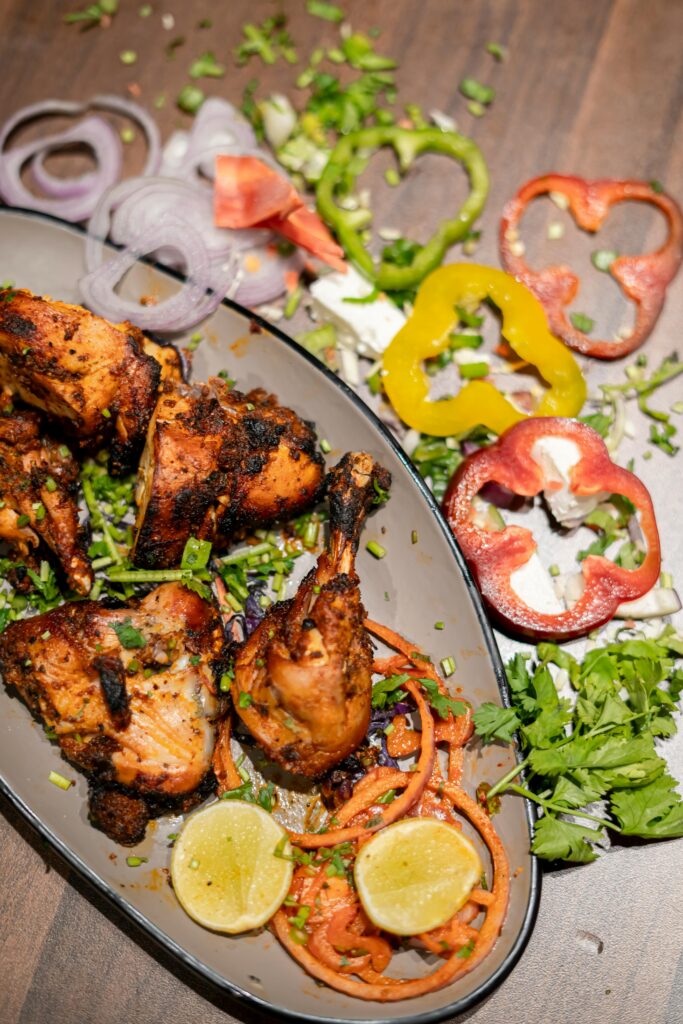
CHICKEN-LEG PIECE
Chicken Drumstick, often called a “chicken leg piece,” is one of the most popular and flavorful parts of chicken used in cooking around the world. It includes the lower part of the chicken leg, mainly the drumstick, and sometimes the thigh when referred to as a full leg piece. This cut of chicken is loved because it is juicy, tender, and rich in flavor compared to leaner parts like chicken breast. It is used in many dishes such as fried chicken, grilled chicken, tandoori chicken, curries, and barbecues.
The popularity of Chicken Drumstick comes from its unique texture and fat content. Unlike chicken breast, which is low in fat and can become dry if overcooked, the leg piece has a higher amount of natural fat and connective tissue. This makes it more flavorful and moist even after long cooking. When cooked properly, the meat easily falls off the bone and provides a rich, satisfying eating experience.
Chicken leg pieces have been used in cooking for centuries across different cultures. In Indian cuisine, they are commonly used in spicy curries, tandoori preparations, and fried snacks. In Western cuisine, they are often fried, baked, or grilled with herbs and spices. In Middle Eastern cooking, chicken legs are used in kebabs and roasted dishes. Because of their versatility, they are one of the most widely consumed chicken cuts globally.
One of the most famous preparations using Chicken Drumstick is tandoori chicken, where the leg pieces are marinated in yogurt and spices and cooked in a clay oven. Another popular dish is fried chicken drumsticks, where the chicken is coated in seasoned flour or batter and deep-fried until crispy. Chicken curry is also a common preparation where leg pieces are cooked slowly in gravy made from onions, tomatoes, and spices.
The preparation of chicken leg pieces usually begins with cleaning and marination. Marination is an important step because it enhances flavor and tenderness. Common ingredients used for marinating chicken legs include yogurt, lemon juice, ginger-garlic paste, chili powder, turmeric, cumin, coriander powder, garam masala, salt, and pepper. The chicken is often left to marinate for several hours or overnight so that the spices penetrate deep into the meat.
After marination, chicken leg pieces can be cooked using different methods. One method is frying, where the chicken is coated in flour or batter and deep-fried in hot oil until golden brown. This creates a crispy outer layer while keeping the inside juicy. Another method is grilling or roasting, where the chicken is cooked over charcoal, in an oven, or on a barbecue grill. This gives the chicken a smoky flavor and slightly charred texture.
In Indian cuisine, Chicken Drumstick is often used in spicy curries like chicken masala or chicken curry. In these dishes, the chicken is cooked slowly in a thick gravy made from onions, tomatoes, ginger, garlic, and a blend of spices. The slow cooking process allows the meat to absorb the flavors of the gravy, making it soft and flavorful. Chicken leg pieces are preferred in curries because they remain tender even after long cooking.
One of the reasons chicken leg pieces are so popular is their affordability and availability. They are usually cheaper than chicken breast in many markets, making them accessible to a wide range of people. At the same time, they offer better flavor and texture, which makes them a preferred choice for many home cooks and restaurants.
From a nutritional perspective, chicken leg pieces are a good source of protein, vitamins, and minerals. They contain iron, zinc, and vitamin B12, which are important for energy production and overall health. However, compared to chicken breast, they contain slightly more fat and calories. When fried or cooked with heavy sauces, the calorie content increases further. Health-conscious people often prefer grilled or baked versions to reduce fat intake.
Chicken leg pieces are also very popular in fast food culture. Fried chicken drumsticks are served in restaurants and fast-food chains around the world. They are often seasoned with spicy coatings, herbs, or special spice blends. The crunchy exterior combined with juicy meat makes them a favorite snack for many people.
In street food culture, especially in India, chicken leg pieces are often sold as “tandoori chicken legs” or “chicken lollipops.” Chicken lollipop is a popular Indo-Chinese dish where the meat is pushed down from the bone to create a lollipop shape, marinated, battered, and deep-fried. It is served with spicy sauces and is especially popular among young people.
Chicken Drumstick is also a common dish during celebrations, parties, and festivals. It is often included in barbecue menus where friends and families gather to grill chicken over open flames. The smoky aroma, sizzling sound, and juicy texture make it a highlight of such gatherings.
In recent years, chicken leg pieces have also been used in fusion recipes. Chefs experiment with flavors like peri-peri chicken legs, honey-glazed drumsticks, Korean spicy chicken legs, and cheesy baked drumsticks. These modern variations combine international flavors with traditional cooking styles, making the dish more exciting and diverse.
Cooking perfect chicken leg pieces requires attention to detail. The marination must be balanced so that the flavors penetrate the meat without overpowering it. The cooking temperature must be controlled to ensure the chicken is fully cooked without drying out. Overcooking can make the meat tough, while undercooking can make it unsafe to eat.
Overall, Chicken Drumstick is one of the most loved and versatile parts of chicken. Its rich flavor, juicy texture, and ability to absorb spices make it suitable for a wide variety of dishes. Whether grilled, fried, roasted, or cooked in curry, chicken leg pieces remain a favorite choice for people across the world.
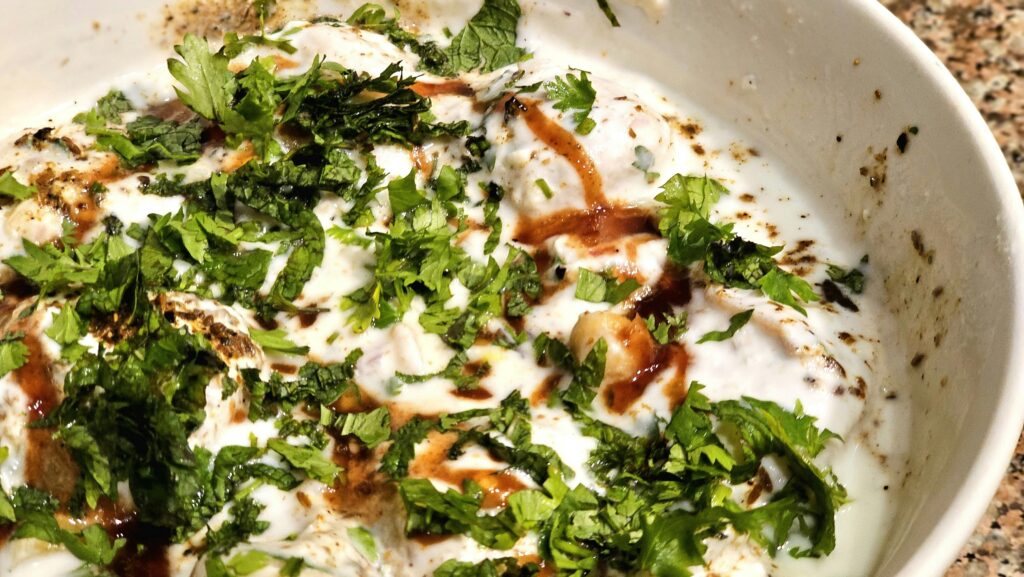
DAHI VADDA
Dahi Vada (often called dahi bhalla in North India) is a famous and delicious Indian street food and festive dish made with soft lentil dumplings soaked in creamy yogurt and topped with flavorful chutneys and spices. It is known for its unique combination of textures and flavors—soft, fluffy vadas, smooth chilled curd, tangy tamarind chutney, spicy mint chutney, and aromatic spices like chaat masala and roasted cumin powder. The dish is both refreshing and rich, making it a favorite during summer, festivals, weddings, and special occasions.
The origin of Dahi Vada can be traced back to ancient Indian culinary traditions involving lentils and fermented foods. Lentils have been a major part of Indian cuisine for thousands of years, and grinding them into batters for fritters is an old cooking technique. The concept of soaking fried dumplings in yogurt likely evolved as a way to balance spicy and fried foods with cooling dairy. Over time, different regions of India developed their own versions, such as dahi vada in South India and dahi bhalla in North India.
The main ingredient of dahi bhalla is urad dal (black gram lentils). The lentils are soaked in water for several hours until they become soft. They are then ground into a smooth, fluffy batter, sometimes with a small amount of moong dal added. The batter is whipped vigorously to incorporate air, which makes the vadas light and spongy after frying. Spices such as salt, green chilies, and ginger may also be added to enhance flavor.
The prepared batter is shaped into small round or slightly flattened balls and deep-fried in hot oil. These fried dumplings are called vadas or bhallas. When fried properly, they become golden brown on the outside while remaining soft and airy inside. This texture is very important because it allows the vadas to absorb yogurt and chutneys easily.
After frying, the vadas are usually soaked in warm water for a short time. This step removes excess oil and makes them even softer. They are then gently squeezed to remove water and prepared for assembling the dish.
The yogurt (dahi) is a key component of Dahi Vada. Fresh curd is whisked until smooth and creamy, often with a little sugar and salt added depending on taste. In some regions, slightly sweetened yogurt is preferred, while in others, plain salted yogurt is used. The coolness and creaminess of yogurt balance the spiciness of chutneys and spices.
Once the vadas are ready, they are placed in a serving dish and covered with thick, chilled yogurt. Then comes the topping stage, which gives dahi bhalla its signature flavor. Tamarind chutney is added for sweetness and tanginess, while mint-coriander chutney adds freshness and spice. Roasted cumin powder, red chili powder, black salt, and chaat masala are sprinkled on top to enhance flavor. Finally, chopped coriander leaves, sev (crispy noodles), and pomegranate seeds are often used as garnish.
The combination of flavors in dahi bhalla is what makes it so special. The vadas are soft and slightly savory, the yogurt is cool and creamy, the chutneys add sweet, sour, and spicy notes, and the spices bring depth and aroma. Every bite offers a mix of contrasting tastes and textures, which is a key feature of Indian chaat dishes.
Dahi Vada is especially popular during festivals such as Holi, Diwali, and Ramadan, as well as weddings and family gatherings. It is also commonly sold at street food stalls, where vendors prepare it fresh and serve it in bowls or leaf plates. During hot weather, it is particularly refreshing because the yogurt cools the body.
There are many regional variations of dahi vada across India. In South India, it is simply called dahi vada and often has a more savory taste with less sweetness. In North India, dahi bhalla is usually richer, with more chutneys, spices, and garnishes. In some places, vadas are made softer and larger, while in others they are smaller and firmer. Some modern versions include stuffed vadas with dry fruits, paneer, or spicy fillings.
From a nutritional perspective, dahi vada provides protein from lentils and calcium from yogurt. However, since the vadas are deep-fried, they also contain fat and calories. The yogurt adds probiotics, which are beneficial for digestion. The chutneys, made from tamarind and mint, provide vitamins and antioxidants. Health-conscious versions can be made by baking or air-frying the vadas instead of deep frying, or by using low-fat yogurt.
One of the reasons Dahi Vada is so popular is its versatility. It can be served as a snack, appetizer, side dish, or even a light meal. It fits well in both casual and festive menus. Its cooling nature makes it especially suitable for hot climates like India.
In recent years, dahi bhalla has also seen modern fusion versions in restaurants. Some chefs add fruit toppings like mango, kiwi, or berries. Others experiment with different flavored yogurts, such as mint yogurt, saffron yogurt, or spiced yogurt. Despite these innovations, the traditional version remains the most loved.
Street food culture plays a big role in the popularity of dahi bhalla. Vendors often prepare large batches of vadas in advance and soak them in yogurt just before serving. The quick assembly, vibrant toppings, and colorful presentation make it visually appealing as well as tasty. Food videos showing creamy yogurt pours and spicy chutney drizzles are also very popular on social media.
Making perfect dahi bhalla requires skill and timing. The batter must be properly whipped to ensure soft vadas. Frying must be done at the right temperature to avoid hard or oily dumplings. The yogurt must be smooth and well-seasoned, and the balance of chutneys must be carefully adjusted to avoid overpowering flavors.
Overall, Dahi Vada is much more than just a snack. It represents the richness and balance of Indian cuisine, combining fried, creamy, sweet, sour, and spicy elements in one dish. With its soft texture, refreshing taste, and colorful presentation, dahi bhalla remains one of the most loved and satisfying foods in India, enjoyed by people of all ages during festivals, celebrations, and everyday life.
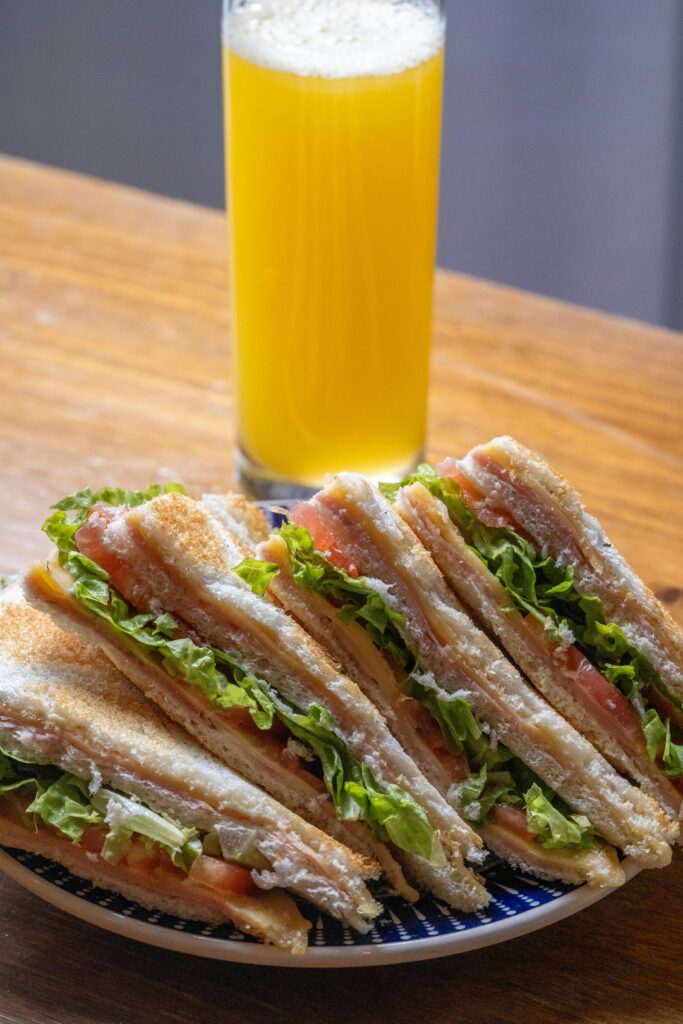
SANDWICH
Sandwich is one of the most popular and widely eaten foods in the world. It is a simple yet highly versatile dish made by placing fillings such as vegetables, cheese, meat, spreads, or sauces between slices of bread or inside a bread roll. The sandwich is loved because it is quick to prepare, easy to carry, and can be customized in countless ways depending on taste, culture, and available ingredients. From simple home snacks to gourmet restaurant meals, sandwiches exist in almost every country in some form.
The origin of Sandwich is often traced back to 18th-century England. It is named after John Montagu, the 4th Earl of Sandwich. According to popular history, he requested meat placed between slices of bread so he could eat without leaving his gambling table. This convenient idea quickly became popular, and people began ordering “the same as Sandwich,” which eventually gave the dish its name. However, the concept of placing food inside bread existed long before this in various cultures, including Middle Eastern pita wraps and ancient flatbreads with fillings.
The basic structure of a sandwich is simple: bread + filling + bread (or open-faced in some cases). Bread acts as the base and container, holding everything together. Different types of bread are used depending on preference, such as white bread, brown bread, whole wheat bread, multigrain bread, baguettes, burger buns, or sourdough. Each type of bread changes the taste and texture of the sandwich significantly.
The filling is what gives a sandwich its identity. Fillings can be vegetarian or non-vegetarian and include a wide variety of ingredients. Common vegetarian fillings include cucumber, tomato, lettuce, onion, capsicum, cheese, boiled potatoes, paneer, corn, and spreads like mayonnaise, butter, or chutney. Non-vegetarian fillings often include chicken, turkey, ham, tuna, egg, or beef. The combination of ingredients can be simple or highly complex depending on the recipe.
Condiments and spreads are an important part of sandwich flavor. Mayonnaise, mustard sauce, ketchup, chili sauce, pesto, hummus, and butter are commonly used. In Indian-style sandwiches, green chutney made from mint and coriander is very popular. These spreads add moisture, flavor, and richness to the sandwich, preventing it from becoming dry.
There are many types of sandwiches around the world. A grilled sandwich is toasted on a pan or sandwich maker until crispy and warm. A club sandwich is a layered sandwich often containing multiple fillings such as chicken, egg, lettuce, and mayonnaise. A sub sandwich is made in a long bread roll and filled with meats, cheese, and vegetables. A toast sandwich is lightly toasted bread with fillings inside. Open-faced sandwiches have toppings placed on a single slice of bread instead of two slices.
In India, sandwiches have become a very popular street food and café item. Indian sandwiches often include spicy chutneys, boiled potatoes, cucumber, tomato, onion, and cheese. Mumbai street-style sandwiches are especially famous, often grilled with butter and served with green chutney and ketchup. These sandwiches are spicy, tangy, and filling, making them a favorite snack for students and office workers.
The preparation of a sandwich is very simple but allows for creativity. First, the bread slices are prepared, sometimes by spreading butter or toast lightly. Then spreads like mayonnaise, chutney, or sauce are applied. After that, fillings are layered evenly. The sandwich is then closed or stacked and may be served as is or grilled for added texture and flavor. Grilling melts cheese and warms the filling, creating a crispy outer layer and soft interior.
One of the main reasons Sandwich is so popular is its convenience. It can be made quickly with minimal cooking skills and ingredients. It is also portable, making it ideal for school lunches, office meals, travel snacks, and picnics. Many people prefer sandwiches because they are easy to customize and can be made healthy or indulgent depending on the ingredients used.
Sandwiches also play a major role in fast food culture. Famous global chains like Subway, McDonald’s, and many local cafés serve different varieties of sandwiches. These include cold sandwiches, toasted sandwiches, wraps, and subs. The ability to choose fillings and sauces makes sandwiches highly customizable for customers.
From a nutritional perspective, sandwiches can be both healthy and unhealthy depending on preparation. Whole grain bread and fresh vegetables make sandwiches a good source of fiber, vitamins, and minerals. Protein from eggs, chicken, or cheese adds nutritional value. However, sandwiches with processed meats, excess cheese, mayonnaise, or white bread can be high in calories, fat, and sodium. Health-conscious versions often use multigrain bread, grilled fillings, and low-fat spreads.
Sandwiches also reflect cultural diversity. Different countries have created their own versions based on local ingredients. For example, the American BLT sandwich contains bacon, lettuce, and tomato. The French croque-monsieur is a baked ham and cheese sandwich. The Italian panini is grilled with olive oil and filled with meats or vegetables. The Middle Eastern shawarma wrap is a close relative of the sandwich concept. Each variation shows how the idea of enclosing food in bread adapts to different cuisines.
In modern times, sandwiches have become highly creative. Gourmet sandwiches include artisanal bread, exotic cheeses, roasted vegetables, and specialty sauces. Cafés experiment with fusion flavors such as tandoori chicken sandwiches, Mexican-style sandwiches, and Korean BBQ subs. Some even include sweet sandwiches with chocolate, fruits, or peanut butter.
Social media has also increased the popularity of sandwiches. Videos showing cheese pulls, layered stacking, and toasted crunch sounds attract viewers online. Sandwich-making is often shown as a visually satisfying process, especially when cheese melts or sauces are spread evenly. This has helped sandwiches remain trendy in food culture.
Making a perfect sandwich requires balance. The bread should not be too dry or too soft. The filling should be evenly distributed so every bite has flavor. Moist ingredients should be balanced with dry ones to avoid sogginess. If grilled, the heat should be controlled to melt cheese and toast the bread without burning it.
Overall, Sandwich is more than just a quick meal. It is a global food innovation that combines simplicity, convenience, and creativity. From its historical origins in England to its countless modern variations worldwide, the sandwich has become a universal symbol of fast, flexible, and satisfying food. Whether eaten at breakfast, lunch, dinner, or as a snack, it remains one of the most loved and adaptable foods in human history.
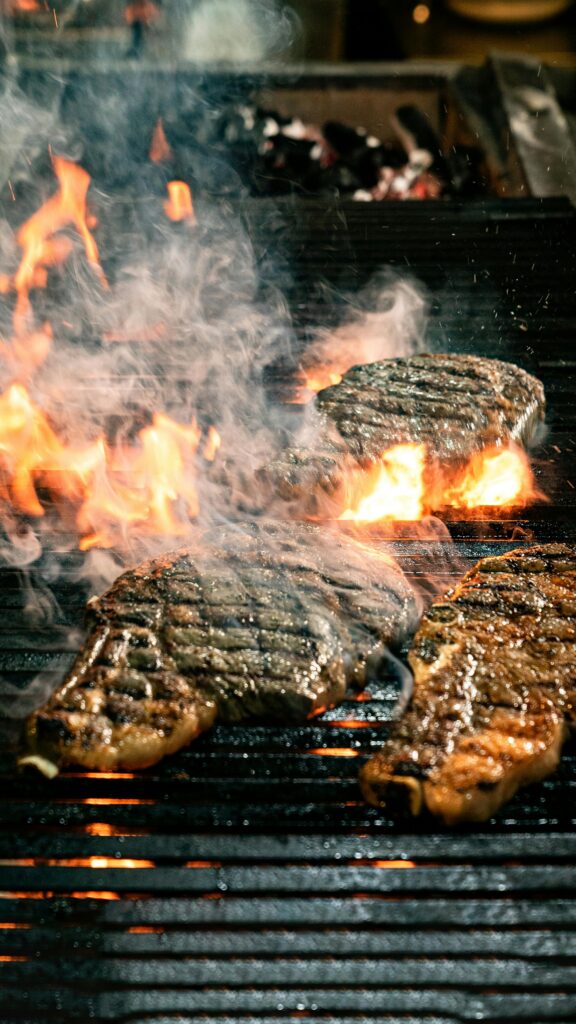
ROAST-CHICKEN
Roast Chicken is a classic and widely enjoyed dish made by cooking a whole chicken or large chicken pieces using dry heat in an oven, over charcoal, or on a rotisserie. It is known for its crispy golden-brown skin, juicy tender meat, and rich roasted flavor. Roasted chicken is popular across many cultures, from European Sunday roasts to Middle Eastern grills and Indian-style tandoori-inspired versions. It is often served during family meals, celebrations, parties, and festive occasions because it is both flavorful and visually appealing.
The idea of roasting meat is one of the oldest cooking methods in human history. Before modern cooking equipment, people cooked meat over open fires or hot stones. This method allowed food to cook evenly while developing a smoky and rich taste. Over time, roasting techniques became more refined, especially in European kitchens where oven roasting became a tradition. Today, roasted chicken is a global dish with many regional variations.
The main ingredient in Roast Chicken is, of course, chicken. A whole chicken is usually preferred because it provides a mix of textures—white meat from the breast and dark meat from the legs and thighs. The skin plays an important role because it becomes crispy when roasted, locking in flavor and moisture. Some recipes also use chicken pieces like legs, thighs, or wings instead of a whole bird.
Preparation of roast chicken begins with cleaning and seasoning. The chicken is washed, patted dry, and sometimes marinated. Drying the chicken is important because it helps the skin become crispy during roasting. Moisture on the surface can cause steaming instead of roasting, which prevents browning.
Marination or seasoning is a key step in making flavorful roast chicken. A basic seasoning includes salt, black pepper, garlic, and olive oil or butter. Many recipes also use herbs such as rosemary, thyme, oregano, parsley, or bay leaves. Lemon juice, paprika, chili powder, and ginger-garlic paste are also common additions depending on regional styles. The chicken may be marinated for a few hours or overnight so that flavors penetrate deeply into the meat.
In Western-style roasting, the chicken is often stuffed with ingredients like garlic cloves, lemon slices, onions, or herbs. This helps flavor the inside of the chicken while it cooks. In some versions, butter is placed under the skin to keep the meat moist and add richness.
The cooking process of Roast Chicken involves dry heat, usually in an oven set between 180°C to 220°C. The chicken is placed on a roasting tray, sometimes with vegetables like potatoes, carrots, and onions around it. These vegetables absorb the juices released from the chicken, making them flavorful side dishes.
During roasting, the heat slowly cooks the chicken from the outside in. The skin becomes golden and crispy due to the Maillard reaction, a chemical process that occurs when proteins and sugars in food are exposed to high heat. This reaction is responsible for the rich aroma, brown color, and deep flavor of roasted chicken.
One of the most important aspects of roast chicken is keeping it juicy. If overcooked, the meat becomes dry and tough. If undercooked, it is unsafe to eat. Skilled cooks use thermometers or timing techniques to ensure the internal temperature is correct. Resting the chicken after roasting is also important. When the chicken rests, the juices redistribute throughout the meat, making it more tender and flavorful.
Roast Chicken is served in many different ways. In Western cuisine, it is often served with mashed potatoes, roasted vegetables, gravy, or stuffing. In Indian-style variations, roasted chicken may be served with naan, salad, mint chutney, or spicy sauces. In Middle Eastern cuisine, it may be paired with rice, hummus, or garlic sauce.
There are many variations of roast chicken around the world. Herb roast chicken uses fresh herbs like rosemary and thyme. Butter roast chicken uses generous amounts of butter for richness. Spicy roast chicken includes chili, paprika, and pepper for heat. Tandoori-style roast chicken is popular in India, where the chicken is marinated in yogurt and spices and cooked in a tandoor, giving it a smoky flavor. Lemon roast chicken includes citrus flavors for freshness.
Roast chicken is also popular in fast food and restaurant culture. Many restaurants serve rotisserie chicken, where the chicken is slowly rotated over heat, allowing even cooking and self-basting in its own juices. This method produces very tender meat with crispy skin. It is commonly sold in whole or half portions for quick meals.
From a nutritional perspective, roast chicken is a good source of protein, vitamins, and minerals. It provides essential nutrients like vitamin B6, vitamin B12, phosphorus, and selenium. Because it is roasted instead of deep-fried, it is generally healthier than fried chicken. However, the calorie content depends on the amount of skin and butter or oil used. Removing the skin can reduce fat intake significantly.
Roast chicken also plays an important role in cultural traditions. In many Western households, roast chicken is a Sunday meal served to families. In festive occasions such as Christmas or Thanksgiving, roast chicken or turkey is a central dish. In other cultures, it is served during celebrations, weddings, and gatherings because it is easy to prepare in large quantities and shared among groups.
In modern times, Roast Chicken has become even more popular due to social media and food content. Videos showing crispy skin, juicy cuts, and herb butter melting over chicken are widely shared online. Many home cooks experiment with flavors such as peri-peri roast chicken, honey garlic roast chicken, and spicy barbecue chicken.
Making perfect roast chicken requires attention to detail. The seasoning must be balanced so that it enhances the natural flavor of the chicken without overpowering it. The oven temperature must be controlled for even cooking. Basting the chicken with its own juices or butter during roasting helps keep it moist. Cutting the chicken properly after cooking also improves presentation and eating experience.
Overall, Roast Chicken is much more than just a simple dish. It represents comfort, tradition, and culinary skill across many cultures. With its crispy skin, juicy meat, and rich roasted flavor, it remains one of the most loved and versatile dishes in the world. Whether served at home, in restaurants, or during celebrations, roast chicken continues to be a timeless favorite enjoyed by people everywhere.
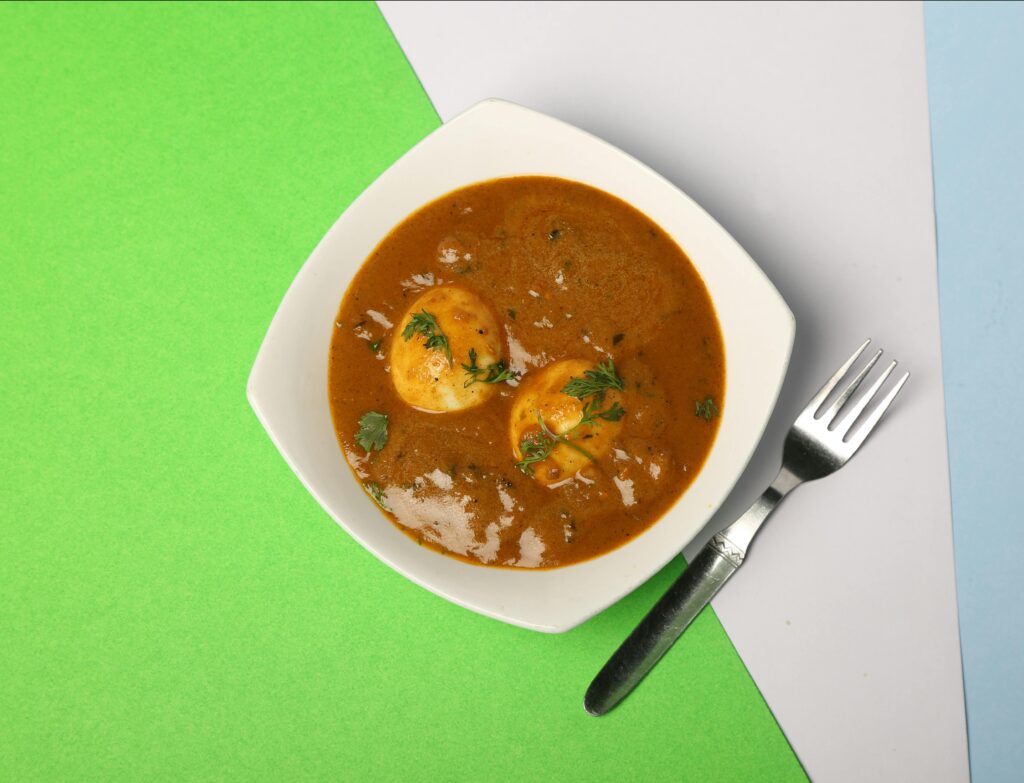
EGG-CURRY
Egg Curry is a popular and comforting dish in Indian cuisine made by cooking boiled eggs in a flavorful, spiced gravy. It is known for its rich taste, simple ingredients, and high nutritional value. Egg curry is eaten with rice, roti, naan, or paratha and is enjoyed in homes, street stalls, and restaurants across India and many other countries. It is especially loved because it is easy to prepare, affordable, and very satisfying.
The main ingredient of Egg Curry is eggs, which are one of the most common and nutritious foods in the world. Eggs are rich in protein, vitamins, and minerals, making them an important part of a balanced diet. In egg curry, eggs are usually hard-boiled first, peeled, and sometimes lightly fried before being added to the gravy. Frying the eggs slightly gives them a better texture and helps them absorb the flavors of the curry.
The gravy or curry base is what gives egg curry its distinctive taste. It is usually made from onions, tomatoes, ginger, garlic, and a blend of spices. Onions are finely chopped and sautéed in oil until golden brown. This step is important because properly cooked onions form the base of a rich and flavorful curry. Tomatoes are then added to give tanginess and body to the gravy.
A variety of spices are used in egg curry, including turmeric, red chili powder, coriander powder, cumin powder, garam masala, black pepper, and sometimes mustard seeds or curry leaves depending on regional styles. These spices create the deep color, aroma, and heat that define Indian curries. Ginger and garlic paste are also essential, adding sharpness and depth of flavor.
The cooking process of Egg Curry begins with preparing the masala base. Oil is heated in a pan, and whole spices like bay leaves, cumin seeds, or cinnamon may be added for extra aroma. Then onions are cooked until golden brown, followed by ginger-garlic paste. Tomatoes are added and cooked until they become soft and blend into the mixture. Spices are then added and cooked until the oil starts separating from the masala, which indicates that the base is ready.
After the gravy is prepared, water is added to adjust the consistency. The boiled eggs are then placed into the gravy and simmered for a few minutes so they absorb the flavors. Some versions also make small slits in the eggs to allow the curry to penetrate better. The dish is often garnished with fresh coriander leaves before serving.
There are many regional variations of Egg Curry across India. In North India, egg curry is usually thick, spicy, and tomato-based, often served with roti or rice. In South India, coconut milk, curry leaves, and mustard seeds are commonly used, giving the curry a different aroma and texture. In Bengal, egg curry (known as dim curry) often has a slightly lighter gravy with mustard oil and mild spices. Each region adds its own unique touch based on local ingredients and preferences.
Egg curry is also a very versatile dish. Some versions include potatoes, which absorb the curry flavors and make the dish more filling. Other versions may include peas or green chilies for extra taste. In restaurant-style egg curry, the gravy is often richer, with cream or butter added for smoothness. Street-style egg curry is usually spicier and more rustic in flavor.
One of the reasons Egg Curry is so popular is because it is both nutritious and affordable. Eggs are inexpensive compared to meat, but they still provide high-quality protein. This makes egg curry a common dish in households where people want a nutritious yet budget-friendly meal. It is also quick to prepare, making it ideal for busy days.
From a nutritional perspective, egg curry is rich in protein, healthy fats, vitamins like B12 and D, and minerals such as iron and selenium. The spices used in the curry also have health benefits. Turmeric has anti-inflammatory properties, garlic supports immunity, and cumin aids digestion. However, depending on the amount of oil used, egg curry can sometimes be high in calories. Healthier versions can be made by reducing oil or using boiled eggs without frying.
Egg curry is commonly eaten with different types of Indian bread and rice. It pairs especially well with steamed rice because the gravy mixes nicely with the grains. It is also enjoyed with roti, paratha, naan, or even bread slices. In many homes, egg curry is a comfort food that is prepared regularly for family meals.
In street food culture, egg curry is often sold as part of egg-based dishes such as egg roll, egg rice, or anda curry meals. Vendors prepare spicy versions that are rich in flavor and served quickly to customers. Because it is filling and affordable, it is popular among students and workers.
In recent years, Egg Curry has also seen modern variations in restaurants and online recipes. Some chefs add coconut milk, cheese, or international spices to create fusion versions. Others experiment with dry egg curry, where less gravy is used, or butter egg curry, which is richer and creamier. Social media food trends have also made egg curry more popular globally, with many people sharing home-cooked recipes and street food videos.
Making perfect egg curry requires balance. The eggs should not be overcooked, or they become rubbery. The masala should be cooked properly so that raw spice flavors disappear. The gravy should have the right consistency—not too thick or too watery. The final taste should be a balance of spicy, tangy, and savory flavors.
Overall, Egg Curry is a simple yet flavorful dish that represents the heart of Indian home cooking. With its rich spices, soft boiled eggs, and comforting gravy, it remains a favorite meal for people of all ages. Whether eaten at home, in restaurants, or at street stalls, egg curry continues to be a satisfying and nourishing dish enjoyed across many cultures.
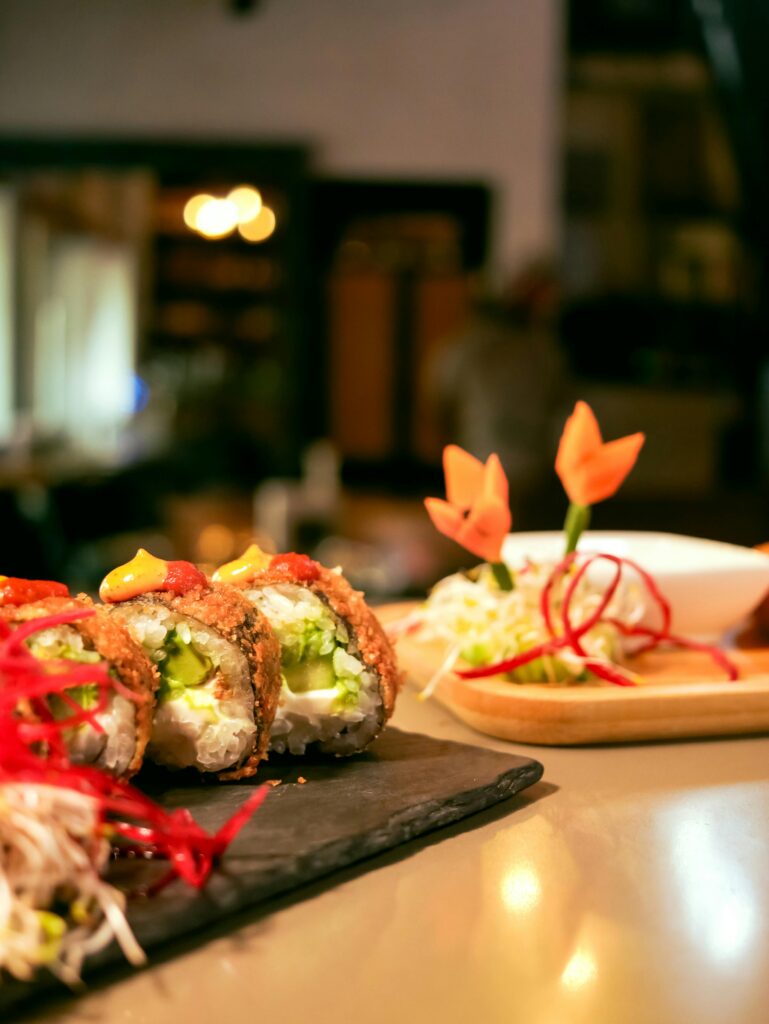
SUSHI
Sushi is one of the most famous and widely recognized foods in the world. It originated in Japan and is known for its combination of vinegared rice, seafood, vegetables, and sometimes tropical fruits, all carefully prepared and artistically presented. Sushi is not just a single dish but a whole category of food with many styles, flavors, and techniques. It is appreciated for its balance of taste, freshness, texture, and visual beauty.
The history of Sushi goes back many centuries. The earliest form of sushi originated as a method of preserving fish in fermented rice. This ancient technique, called narezushi, involved storing fish between layers of rice to allow natural fermentation. The rice was not originally eaten but was used for preservation. Over time, people began eating both the fish and rice together, and sushi gradually evolved into a fresh, fast-prepared dish. During the Edo period in Japan (1603–1868), modern sushi began to take shape in Tokyo (then Edo), where fresh fish was paired with vinegared rice and served quickly as street food.
The key ingredient in sushi is specially prepared rice known as sushi rice. This rice is short-grain Japanese rice that becomes sticky when cooked. After cooking, it is seasoned with a mixture of rice vinegar, sugar, and salt. This seasoning gives the rice its slightly tangy and sweet flavor, which is essential to sushi. The texture of the rice is very important because it holds the sushi together and balances the flavors of other ingredients.
Another important component of Sushi is the filling or topping, which can include a wide variety of ingredients. The most traditional sushi uses raw fish such as salmon, tuna, yellowtail, or mackerel. Seafood like shrimp, crab, eel, and squid is also commonly used. In addition to seafood, vegetables like cucumber, avocado, carrot, and pickled radish are often included. In modern versions, cooked meats, tempura, cream cheese, and even tropical fruits like mango are used to create fusion sushi.
There are several types of sushi, each with its own preparation style. Nigiri sushi consists of a small ball of rice topped with a slice of fish or seafood. Maki sushi is made by rolling rice and fillings in seaweed (nori) and then slicing it into bite-sized pieces. Uramaki, also known as inside-out rolls, has rice on the outside and seaweed inside. Temaki sushi is shaped like a cone and is eaten by hand. Sashimi is often associated with sushi but is technically just sliced raw fish served without rice.
The preparation of sushi requires great skill and attention to detail. Sushi chefs, known as itamae in Japan, undergo years of training to master the techniques. Cooking sushi rice correctly is essential, as it must have the right balance of softness and firmness. The fish must be extremely fresh and cut with precision to ensure proper texture and flavor. Even the way sushi is shaped and presented is considered an art form.
Seaweed, or nori, is another key ingredient in many types of Sushi. It is dried and pressed into thin sheets and is used to wrap rolls like maki and temaki. Nori adds a slightly salty, umami flavor and helps hold the sushi together. In addition to nori, other ingredients like sesame seeds, soy sauce, wasabi, and pickled ginger are used as condiments and accompaniments.
Wasabi is a spicy green paste made from Japanese horseradish. It adds heat and sharp flavor to sushi. Soy sauce is used for dipping and enhances the savory taste of fish and rice. Pickled ginger is eaten between bites to cleanse the palate, allowing the eater to enjoy each piece of sushi with a fresh taste.
Sushi is not only about taste but also presentation. Japanese cuisine places great importance on aesthetics, and sushi is often arranged beautifully on plates. Colors, shapes, and arrangement are carefully considered to create visual harmony. This artistic presentation makes sushi popular not only as food but also as a cultural experience.
Over time, sushi has spread from Japan to become a global food phenomenon. In countries like the United States, India, and across Europe, sushi has been adapted to local tastes. Many fusion versions now exist, such as California rolls, spicy tuna rolls, and tempura rolls. These variations often include cooked ingredients, sauces like mayonnaise or spicy mayo, and creative fillings like cream cheese or fried shrimp.
In India and other non-coastal regions, sushi is often made with cooked seafood or vegetarian ingredients to suit local preferences. Vegetarian sushi may include avocado, cucumber, carrot, paneer, or tofu. This adaptability has helped sushi become popular worldwide, even in places where raw fish is less commonly consumed.
From a nutritional perspective, Sushi can be both healthy and balanced. It provides carbohydrates from rice, protein from fish or tofu, and healthy fats from seafood like salmon or tuna. Seaweed adds minerals like iodine, while vegetables contribute vitamins and fiber. However, some modern sushi rolls that include fried ingredients or heavy sauces can be high in calories and fat.
Sushi is often associated with elegance and fine dining, but it is also enjoyed as fast food in Japan. Convenience stores, supermarkets, and small restaurants sell ready-to-eat sushi for quick meals. In high-end restaurants, sushi is served as an artistic tasting experience, where chefs prepare each piece individually in front of customers.
In recent years, sushi has become very popular on social media. Videos showing rolling techniques, slicing fish, and beautiful plating attract millions of viewers. Creative sushi rolls with colorful ingredients and dramatic presentations are especially popular online. This has helped sushi gain even more global attention.
Making sushi at home has also become a popular trend. Many people enjoy experimenting with ingredients and creating simple rolls using available vegetables and sauces. Sushi-making kits and ingredients are now widely available in supermarkets, making it easier for beginners to try.
Overall, Sushi is much more than just a dish. It is a symbol of Japanese culture, craftsmanship, and attention to detail. With its combination of vinegared rice, fresh ingredients, artistic presentation, and endless variations, sushi has become one of the most loved and respected foods in the world. Whether enjoyed in a luxury restaurant or made at home, sushi continues to offer a unique and memorable dining experience.